Tooth loss affects more than just appearance. It impacts chewing ability, speech clarity, facial structure, and overall oral health. Fortunately, modern dentistry offers reliable solutions to replace missing teeth. Dental implants and dental bridges are touted as two of the most common options for teeth replacement. Both treatments restore function and improve aesthetics, but they differ significantly in structure, longevity, maintenance, and long-term impact on oral health. Understanding these differences helps patients make informed decisions based on their needs, preferences, and clinical suitability. We shall explore dental implants and dental bridges in detail, comparing their advantages, limitations, and ideal use cases.
What Are Dental Implants?
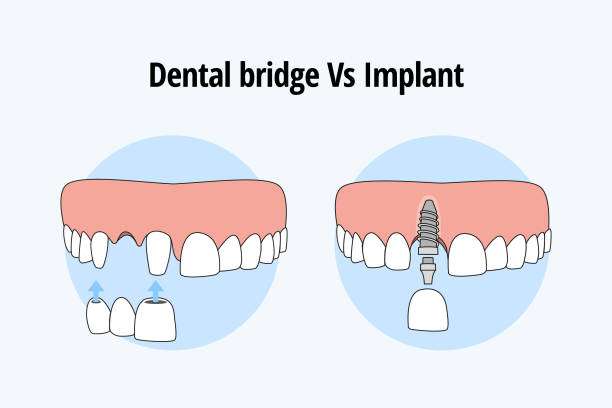
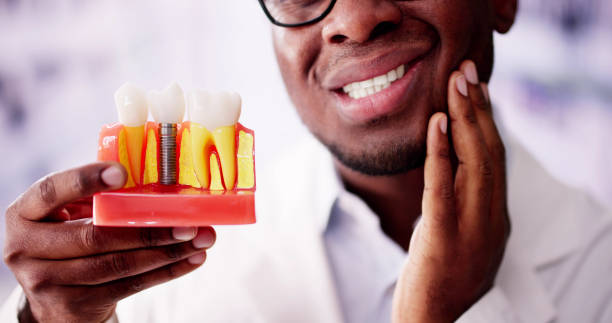
Dental implants are artificial tooth roots made of biocompatible titanium. They are surgically placed into the jawbone to support a crown, bridge, or denture. Once placed, the implant integrates with the bone through a process known as osseointegration. This creates a stable, long-lasting foundation that closely mimics the strength and function of natural teeth.
An implant consists of three main components:
- The titanium post (placed in the bone)
- The abutment (connector)
- The dental crown (visible tooth portion)
Because implants replace both the root and crown of the tooth, they provide a comprehensive solution for tooth loss.
What Is a Dental Bridge?
A dental bridge is a prosthetic device used to “bridge” the gap left by one or more missing teeth. It consists of an artificial tooth (or teeth) supported by neighbouring natural teeth. The adjacent teeth are reshaped and fitted with crowns that anchor the bridge in place. Unlike implants, bridges do not replace the tooth root. They rely on surrounding teeth for support. Bridges can be made from porcelain, ceramic, or porcelain-fused-to-metal materials, offering a natural appearance.
Key Differences Between Dental Implants and Bridges
1. Impact on Surrounding Teeth
Dental implants do not rely on neighbouring teeth for support. This preserves the natural structure of adjacent teeth and prevents unnecessary enamel removal. In contrast, dental bridges require the reshaping of healthy teeth to accommodate crowns. This permanently alters the supporting teeth and may weaken them over time. From a tooth-preservation perspective, implants offer a more conservative approach.
2. Bone Preservation
When a tooth is lost, the jawbone beneath it begins to shrink due to a lack of stimulation. Dental implants stimulate the bone in the same way natural tooth roots do, helping maintain bone density. On the other hand, bridges do not address bone loss because they sit above the gum line. Over time, bone resorption may continue beneath the missing tooth area. For long-term jawbone health, implants provide significant advantages.
3. Longevity
Dental implants are designed to last decades, and often a lifetime, with proper care. Their durability makes them a long-term investment. Dental bridges typically last between 7 to 15 years, depending on oral hygiene, bite pressure, and material quality. They may require replacement sooner than implants. While bridges may initially cost less, implants often prove more cost-effective over time.
4. Treatment Time
Implants require a surgical procedure and healing period, which can take several months. This includes time for osseointegration before the final crown is placed. However, bridges can usually be completed within a few weeks, as they do not involve surgery or bone healing. For patients seeking quicker results, bridges may appear more convenient.
5. Aesthetic Outcome
Both implants and bridges offer natural-looking results when properly designed. However, implants often provide superior aesthetics because they emerge directly from the gum, similar to natural teeth. Bridges may sometimes show slight changes at the gum line over time, especially if bone loss occurs beneath the missing tooth.
6. Maintenance Requirements
Implants are maintained similarly to natural teeth. They need regular brushing, flossing, and routine dental visits. On the other hand, bridges require special flossing techniques beneath the pontic (artificial tooth) to prevent plaque accumulation. Cleaning can be slightly more complex. Proper hygiene is essential for both options, but implants generally allow easier daily maintenance.

When Are Dental Implants the Better Choice?
Dental implants are often recommended when:
- The patient has sufficient jawbone density.
- Adjacent teeth are healthy and do not require crowns.
- Long-term durability is a priority.
- Bone preservation is important.
- The patient prefers a permanent, standalone solution.
Implants are particularly beneficial for single-tooth replacement and for preventing future bone deterioration.
When Might a Dental Bridge Be Suitable?
A dental bridge may be appropriate when:
- The patient prefers a non-surgical option.
- The surrounding teeth already require crowns.
- Bone density is insufficient for implants.
- Faster treatment completion is desired.
- Budget constraints are a significant consideration.
Each case should be assessed individually to determine the most suitable option.
Cost Considerations in Kenya
In Kenya, dental implants typically cost between Ksh 150,000 and Ksh 300,000 per implant, depending on materials, surgical complexity, and additional procedures such as bone grafting. Dental bridges may range from Ksh 80,000 to Ksh 180,000, depending on the number of units and the material used. Although bridges may appear more affordable initially, implants often offer better long-term value due to their durability and bone-preserving benefits.
Where do I Find Implants or Bridges in Nairobi?
If you are looking for the best place to learn about and get either dental implants or bridges, Implants and Braces Nairobi is the answer you are seeking. At Implants and Braces Nairobi, patients receive comprehensive assessments before deciding between dental implants and bridges. The clinic prioritises personalised treatment planning, ensuring each patient understands the long-term implications of their choice.
Using modern diagnostic tools and advanced implant systems, the clinic delivers predictable, safe, and aesthetically pleasing results. Whether recommending implants or bridges, the team focuses on preserving oral health, restoring function, and enhancing confidence. This patient-centred approach ensures that every restoration is both clinically sound and individually tailored.

Frequently Asked Questions
1. Are dental implants more painful than bridges?
Implant placement involves minor surgery, so some post-procedure discomfort is expected. However, pain is usually manageable with prescribed medication and subsides within a few days. Bridge procedures are less invasive but may still involve temporary sensitivity due to tooth preparation.
2. How long does a dental implant take to heal?
Healing and bone integration typically take between three to six months. The timeline may vary depending on individual health and whether additional procedures are required.
3. Can anyone get dental implants?
Most healthy adults are suitable candidates, but sufficient bone density and good general health are important. A professional evaluation determines eligibility.
4. Which option looks more natural?
Both can look natural when properly crafted. However, implants often provide a more lifelike appearance because they replicate the tooth root structure.
Choosing the Right Tooth Replacement Option
Dental implants and bridges are both effective solutions for missing teeth, but they serve different needs. Implants offer long-term durability, bone preservation, and structural independence. Bridges provide a quicker, non-surgical alternative that may suit certain patients. The right choice depends on individual circumstances, oral health condition, and long-term goals. Professional evaluation ensures the most appropriate and beneficial treatment plan.
If you are considering replacing a missing tooth, the experienced team at Implants and Braces Nairobi is ready to guide you. Visit us at our Parklands clinic at the Park Suites Building for a thorough dental examination. This will help us determine whether a dental implant or bridge is the most suitable solution for your smile. Schedule your consultation today and take the first step towards restoring comfort, confidence, and long-term oral health.