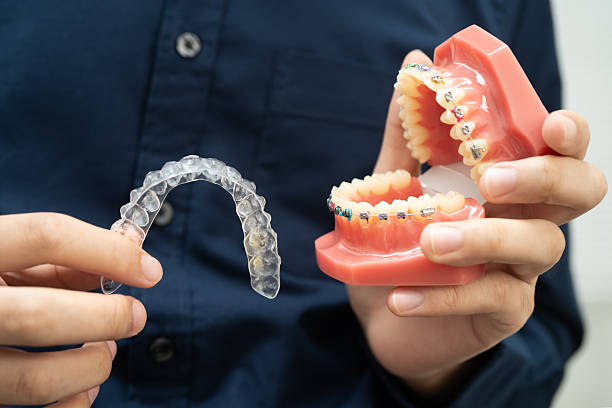
Straightening your teeth can improve more than the appearance of your smile. Orthodontic treatments can correct crowding, close gaps and improve the way your upper and lower teeth fit together. However, choosing between Invisalign and traditional braces can be challenging, especially when both options offer benefits.
Invisalign uses a series of clear, removable aligners to move teeth gradually, while traditional braces use brackets and wires to guide teeth into the desired positions. The right option depends on your orthodontic needs, lifestyle, budget and ability to follow your treatment plan.
At Implants and Braces Nairobi, we help patients understand their orthodontic options so they can make informed decisions about achieving a healthier, more confident smile.
What Is Invisalign?
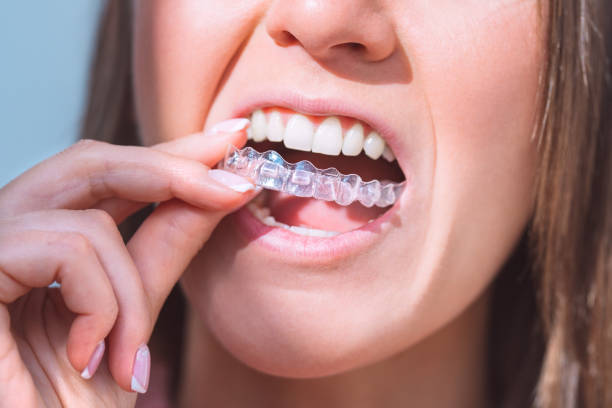
Invisalign is an orthodontic system that uses a series of custom-made, transparent plastic aligners to move teeth gradually. Each set is designed to make specific adjustments, with patients progressing through the series according to their dentist’s instructions.
Because the aligners are removable, you can take them out when eating, drinking anything other than water, brushing and flossing. Their transparent appearance also makes them less noticeable than conventional braces.
Invisalign may be suitable for several orthodontic concerns, including mild to moderate crowding, gaps and certain bite problems. However, suitability depends on the complexity of the case, and some patients may achieve more predictable results with other orthodontic methods.
What Are Traditional Braces?
Traditional braces use small brackets attached to the teeth and connected by an orthodontic wire. The wire applies controlled forces that gradually move teeth into their planned positions. Your orthodontist adjusts the appliance throughout treatment to guide these movements.
Braces are fixed in place, so patients do not need to remember to wear them for a specific number of hours each day. They can also treat a broad range of orthodontic problems, including complex tooth movements and significant bite discrepancies.
Although traditional braces are more visible than clear aligners, modern options can be smaller and more comfortable than older designs. They remain an effective choice for children, teenagers and adults who need comprehensive orthodontic correction.
Invisalign vs Traditional Braces: Key Differences
1. Appearance
Invisalign aligners are transparent and fit closely over the teeth, making them relatively discreet during everyday activities. This can appeal to adults and teenagers who prefer a less noticeable orthodontic option.
Traditional metal braces are more visible because the brackets and wires remain attached to the teeth. Ceramic braces, which use tooth-coloured or less noticeable components, may offer an alternative for patients who prefer a subtler appearance.
Best for appearance: Invisalign is generally the more discreet option, although ceramic braces may also be suitable.
2. Comfort
Invisalign aligners are made from smooth plastic, without the brackets and wires that can sometimes irritate the cheeks and lips. However, patients may experience pressure or temporary soreness when switching to a new set of aligners.
Traditional braces can cause discomfort after placement and following adjustments. Brackets may also rub against the inside of the mouth, particularly during the early stages of treatment.
Both options involve applying pressure to move teeth, so neither is completely free from discomfort. The experience varies between patients and throughout treatment.
3. Eating and Drinking
One advantage of Invisalign is that the aligners can be removed before meals. Patients can generally continue eating their usual foods, provided they remove their aligners first and maintain good oral hygiene.
With traditional braces, hard, sticky and very crunchy foods may need to be avoided because they can damage brackets or wires. Patients also need to be careful when biting into certain foods.
Best for dietary flexibility: Invisalign offers greater flexibility because the aligners are removable.
4. Oral Hygiene
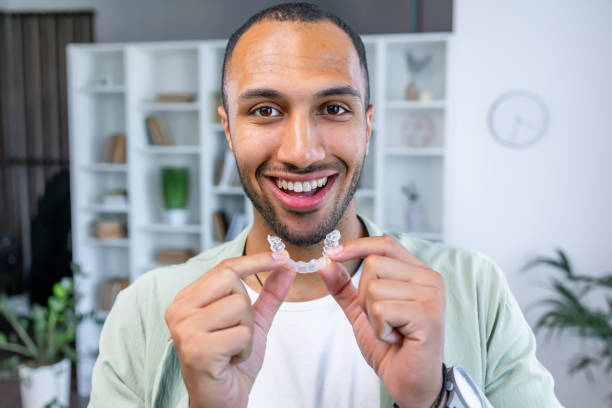
Invisalign can make brushing and flossing easier because the aligners are removed during cleaning. Patients should clean their teeth before putting the aligners back in and clean the aligners according to their dentist’s instructions.
Traditional braces require more careful cleaning around brackets and wires. Food and plaque can collect in these areas, increasing the risk of gum inflammation, white spots on the teeth and tooth decay if oral hygiene is inadequate.
Both treatments require consistent daily cleaning and professional dental care.
5. Treatment Time
The duration of Invisalign treatment varies according to the number and complexity of tooth movements required. Some cases may be completed within several months, while others take a year or longer.
Traditional braces also vary in treatment time. Many comprehensive orthodontic cases take around 18–24 months, although some are shorter and others take longer.
Invisalign may require additional time if aligners are not worn as directed or if refinements are needed. Braces also depend on regular appointments and patient cooperation. Your orthodontist can provide a more realistic estimate after assessing your teeth and bite.
6. Effectiveness for Different Orthodontic Problems
Both Invisalign and traditional braces can straighten teeth and improve bite alignment, but they are not equally suitable for every case.
Traditional braces can be particularly useful for complex movements and significant bite problems because the orthodontist has detailed control over the fixed appliance. Invisalign can treat many common orthodontic concerns, and some more complex cases may also be suitable when planned appropriately.
The most effective treatment is the one that can address your specific orthodontic needs safely and predictably.
Is Invisalign More Expensive Than Traditional Braces in Kenya?
The cost of orthodontic treatment depends on the complexity of your case, the expected treatment duration, the type of appliance and the level of follow-up care required.
Invisalign may cost more than conventional metal braces in some cases because of the custom aligner system and treatment planning involved. However, prices vary, and the more affordable option is not necessarily the most appropriate one for your teeth.
During a consultation, ask what the quoted fee includes, such as assessments, adjustments or progress reviews, retainers and any additional treatment that may be required. For guidance on orthodontic options, explore our dental braces services.
Who Should Choose Invisalign, and Who Should Choose Braces?
Invisalign may suit patients who want a discreet treatment option, prefer removable aligners and can commit to wearing them for the recommended 20–22 hours per day. It can also be appealing to people who want to maintain their usual eating and cleaning routines.
Traditional braces may be more appropriate for patients with complex alignment or bite issues, or for those who would find it difficult to wear removable aligners consistently. They can also be a practical option for younger patients, depending on their dental development and ability to maintain good oral hygiene.
Neither option is automatically better for every patient. A clinical assessment is necessary to determine which approach can achieve the desired result.

Find the Right Orthodontic Treatment at Implants and Braces Nairobi
Choosing between Invisalign and traditional braces starts with understanding your dental needs, lifestyle and expectations. At Implants and Braces Nairobi, we can assess your teeth and bite, explain the available treatment options and help you understand the likely duration, care requirements and costs involved. We aim to help you choose an approach that supports a healthy bite and a confident smile.
If you are considering straightening your teeth, this is the best time to schedule a consultation to discuss whether clear aligners or traditional braces are suitable for you. Visit us at our Park Suite Clinic, or contact our team on 0762 223 925. You can also visit our contact page to arrange an appointment and take the first step towards your smile goals.