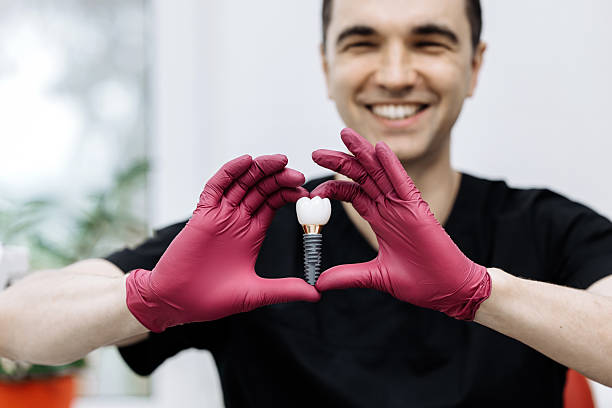
Dental implants are a popular option for replacing missing teeth because they provide a stable foundation for artificial teeth and can restore chewing function and the appearance of your smile. However, not everyone is immediately ready for implant treatment. Your oral health, jawbone condition, general health and personal habits all influence whether dental implants are suitable for you.
The good news is that having certain dental or medical concerns does not automatically rule out treatment. In some cases, preliminary procedures or changes to your oral care routine can help prepare you for implant placement.
At Implants and Braces Nairobi, we assess each patient’s needs individually to help determine the most appropriate approach to replacing missing teeth.
What Makes Someone a Good Candidate for Dental Implants?
A good candidate for dental implants generally has one or more missing teeth, healthy or treatable gums, sufficient jawbone to support the implant and a commitment to maintaining good oral hygiene.
Dental implants are placed into the jawbone, where they gradually integrate with the surrounding bone through a process called osseointegration. This creates a stable foundation for a crown, bridge or other suitable restoration.
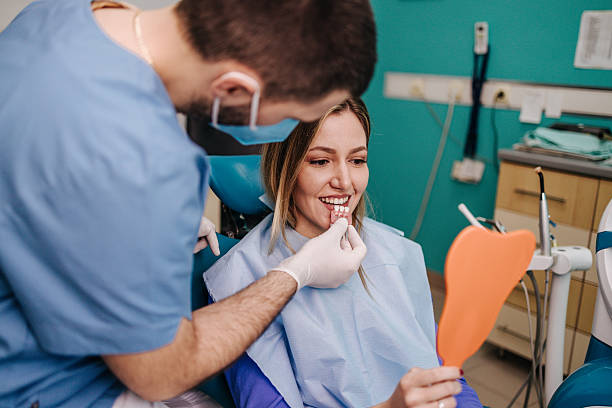
Before recommending treatment, a dentist will assess your teeth, gums, bite, medical history and jawbone. Dental imaging may also be needed to evaluate the implant site and plan placement safely. You can learn more about the treatment options available through our dental implant services in Nairobi.
Seven Requirements and Considerations for Dental Implant Treatment
1. You Have One or More Missing Teeth
Dental implants can replace a single missing tooth, several missing teeth or, in suitable cases, support a full-arch restoration. They can be an option for people who have lost teeth because of injury, severe decay, gum disease or other dental problems.
You do not necessarily need to replace every missing tooth with an individual implant. Depending on your circumstances, a smaller number of implants may support a bridge or another restoration.
Your dentist will assess the number and location of missing teeth, your bite and the condition of your remaining teeth before recommending a treatment plan.
2. You Have Healthy Gums or Can Treat Existing Gum Disease
Healthy gums are important for implant success because the tissues around the implant need to remain free from active infection and inflammation.
Conditions such as gingivitis and periodontitis should be assessed before implant placement. Active gum disease can damage the tissues supporting natural teeth and may also increase the risk of complications around implants.
If you have gum disease, your dentist may recommend treatment and improved oral hygiene before proceeding. Regular professional maintenance is also important after implant placement to help keep the surrounding tissues healthy.
3. You Have Sufficient Jawbone
Dental implants require adequate bone support to achieve stability and integrate successfully. When a tooth has been missing for a long time, the jawbone in that area may gradually shrink because it no longer receives stimulation from the natural tooth root.
However, reduced bone volume does not automatically mean that implants are impossible. Depending on the location and extent of bone loss, a dentist may recommend bone grafting or another preparatory procedure.
A clinical examination and appropriate imaging help determine whether there is sufficient bone for implant placement and whether additional treatment is needed.
4. Your General Health Supports Healing
Dental implant surgery involves placing an implant into the jawbone, so your body needs to heal properly after the procedure. Certain medical conditions can influence healing and the risk of complications.
For example, poorly controlled diabetes may affect wound healing and increase the risk of infection. Some medications and medical treatments can also influence bone metabolism, bleeding or healing.
Having a medical condition does not automatically make you unsuitable for implants. Your dentist will review your medical history and may coordinate with your medical practitioner where necessary to determine the safest approach.
5. You Are Committed to Good Oral Hygiene
Dental implants need ongoing care, even though the implant itself cannot develop tooth decay. Plaque can accumulate around the implant and contribute to inflammation of the surrounding gums and bone.
Candidates should be willing to brush twice daily, clean between their teeth and around the implant, and attend regular dental reviews. Your dentist can recommend suitable cleaning tools based on the type of restoration you receive.
If maintaining oral hygiene is currently difficult, improving your daily routine before treatment can help prepare you for the responsibilities of caring for an implant.
6. You Understand the Impact of Smoking
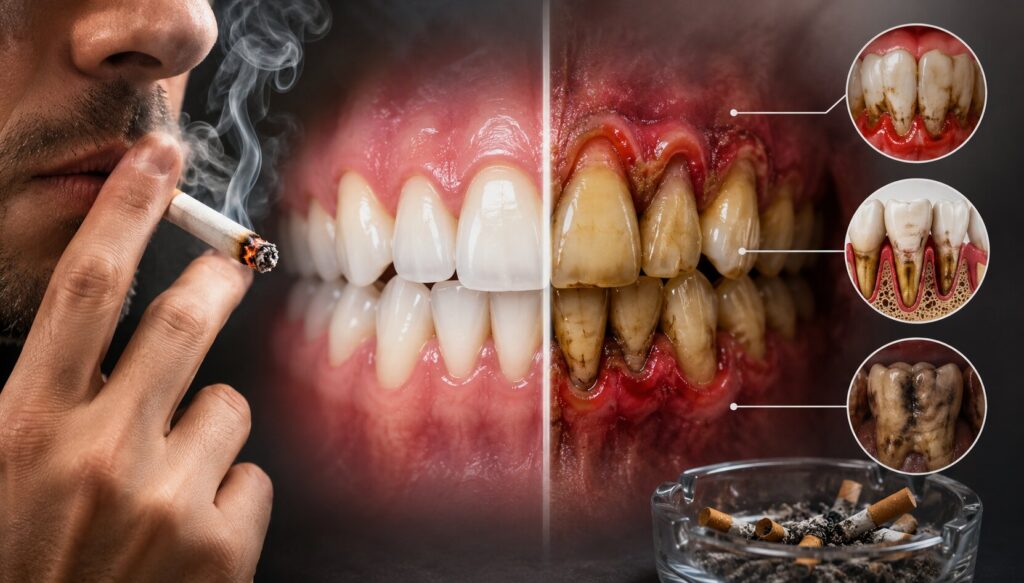
Smoking is associated with a higher risk of complications following dental implant treatment. It can impair healing and affect the health of the tissues around an implant.
If you smoke, tell your dentist before treatment so the risks can be discussed openly. Stopping smoking or avoiding tobacco around the time of surgery can support healing and improve your overall oral health.
Smoking does not automatically disqualify every patient, but it is an important consideration when assessing suitability and planning aftercare.
7. You Can Commit to the Treatment and Follow-Up Process
Dental implant treatment usually involves more than one appointment. The process may include an initial assessment, implant placement, a healing period and the fitting of the final crown or other restoration.
The full treatment timeline depends on your oral health, the number of implants and whether procedures such as bone grafting are needed. The implant may require several months to integrate with the jawbone before the final restoration is attached.
Candidates should be prepared to attend scheduled appointments and follow instructions throughout treatment. Understanding the stages involved can help you plan your time and budget.
Does Age Affect Your Suitability for Dental Implants?
Age alone is not the main factor in determining whether someone is suitable for dental implants. The condition of the jawbone, gums and general health is often more important than chronological age.
However, implants are generally not placed until jaw growth is complete because continued growth can affect the position of the implant relative to the surrounding teeth. This is particularly important when considering treatment for teenagers and younger patients.
Older adults may still be suitable for implants if their oral and general health support treatment. A dentist will assess individual circumstances rather than using age alone to determine eligibility.
What If You Are Not Ready for Dental Implants?
If you are not currently suitable for implant treatment, other options may still be available. Depending on your needs, these may include a dental bridge or a removable partial or complete denture.
Some patients may become suitable for implants after addressing gum disease, improving oral hygiene or undergoing bone grafting. Others may prefer a different replacement option based on their treatment goals, health needs or budget.
The important step is to receive an individual assessment and understand the advantages, limitations and maintenance requirements of each option. You can also explore our dental implant treatment information before your consultation.
Book Your Dental Implant Consultation at Implants and Braces Nairobi
Determining whether you are a good candidate for dental implants requires more than checking whether you have a missing tooth. Your gum health, jawbone condition, general health and long-term oral hygiene habits all contribute to the decision. At Implants and Braces Nairobi, we can assess your individual needs, explain the available treatment options and help you understand the steps involved in restoring your smile.
If you are considering dental implants, we invite you to schedule a consultation with our team. Visit us at Park Suites Building, Parklands Road, Parklands, Nairobi, or contact us on 0762 223 925 to make an appointment and discuss the most appropriate solution for your missing teeth.