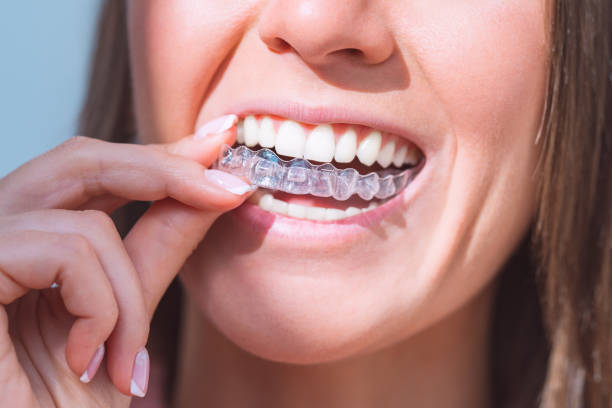
Completing orthodontic treatment is an exciting milestone. After months or years of wearing braces, seeing your teeth in their new positions can make the effort worthwhile. However, the journey does not end when your braces are removed. To maintain your results, you will usually need to wear retainers as directed by your orthodontist.
Retainers are dental appliances designed to keep your teeth in their corrected positions after braces or clear aligner treatment. Without them, teeth can gradually shift, potentially affecting the alignment and appearance of your smile.
At Implants and Braces Nairobi, we help patients understand the importance of post-treatment care and how retainers support long-term orthodontic results.
What Are Retainers and Why Are They Necessary?
Retainers are custom-made appliances that hold your teeth in their new positions after orthodontic treatment. Braces and clear aligners move teeth by applying controlled pressure, but the surrounding bone, gums and supporting fibres need time to adapt to these changes.
Once your dental braces are removed, your teeth are not automatically fixed permanently in their new positions. Natural changes in the mouth can cause them to move, particularly during the early months after treatment.
Retainers help reduce this risk by maintaining the alignment achieved through orthodontic treatment. They are an essential part of the retention phase, whether you have completed treatment with traditional braces or Invisalign.
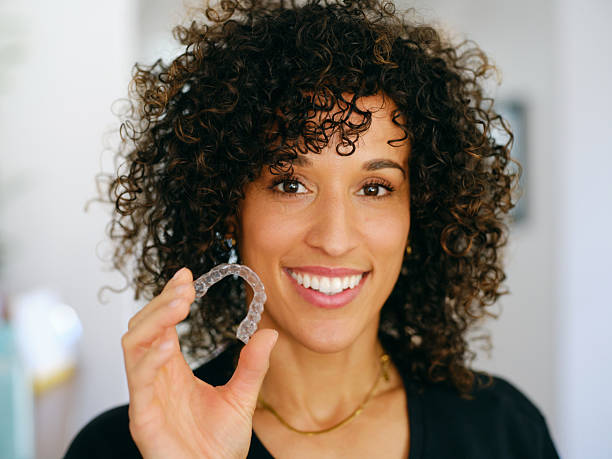
Why Do Teeth Shift After Braces?
Teeth are supported by bone, gums and periodontal ligaments. During orthodontic treatment, these structures adapt as the teeth move. After treatment, they continue to remodel, and the teeth may have a natural tendency to move towards their previous positions.
This movement is known as orthodontic relapse. It can happen gradually and may not be immediately noticeable.
Several factors can contribute to teeth shifting after braces, including:
- Natural changes with age: Teeth can move throughout adulthood, even in people who have never had braces.
- Incomplete retention: Not wearing a retainer as instructed increases the risk of unwanted movement.
- Changes in supporting tissues: The structures around the teeth need time to stabilise after orthodontic movement.
- Bite and oral habits: Certain habits and changes in the way the teeth meet can influence tooth position.
Wearing your retainer consistently according to your orthodontist’s instructions is one of the most effective ways to protect your results.
Types of Dental Retainers
The best retainer for you depends on your orthodontic treatment, the amount of movement that needs to be prevented and your personal preferences. Your orthodontist can explain which option is most appropriate.
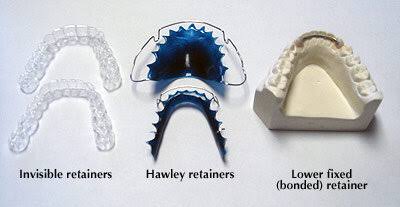
1. Removable Clear Retainers
Clear retainers are made from transparent plastic and fit closely over the teeth. They are similar in appearance to clear aligners, although their primary purpose is to maintain tooth position rather than move teeth.
They are discreet and can be removed for eating, drinking anything other than water and cleaning. However, their effectiveness depends on wearing them for the recommended duration and keeping them safe when they are not in use.
2. Hawley Retainers
Hawley retainers consist of a custom-made acrylic base and a thin metal wire that sits across the front teeth. They are removable and can be adjusted by a dental professional when necessary.
Although they are more noticeable than clear retainers, they are durable and can last for several years with proper care. Your orthodontist will determine whether this type of retainer suits your needs.
3. Fixed Retainers
A fixed retainer is a thin wire bonded to the back surfaces of selected teeth, commonly the lower front teeth. Because it remains attached, you do not need to remember to insert or remove it.
Fixed retainers can provide continuous support for alignment, but they require careful cleaning around the wire. Plaque and food debris can accumulate in these areas if oral hygiene is inadequate.
In some cases, your orthodontist may recommend a combination of fixed and removable retainers to help maintain the results.
How Long Should You Wear Retainers After Braces?
Retainer wear varies depending on your orthodontic needs and the recommendations of your treating professional. Some patients begin by wearing removable retainers for most of the day before transitioning to night-time wear, while others may follow a different schedule.
Many patients need to continue wearing retainers at night for the long term to reduce the risk of teeth shifting. This does not necessarily mean wearing them throughout the day indefinitely, but it does mean that retention remains important after active treatment has finished.
Do not reduce your wearing time simply because your teeth appear straight. Follow your orthodontist’s instructions and attend review appointments so any changes can be identified early.
How to Take Care of Your Retainers
Good retainer care helps keep the appliance clean, comfortable and effective.
For removable retainers, clean them regularly using the method recommended by your orthodontist. Use a soft toothbrush and an appropriate cleaning solution, and avoid hot water that could distort the plastic. Store the retainer in its protective case whenever you remove it.
For fixed retainers, brush carefully around the wire and clean between your teeth using suitable interdental cleaning aids. Your dentist or orthodontist can demonstrate the best technique.
You should also avoid bending a retainer, placing it in a tissue where it could be accidentally discarded, or leaving it where pets can reach it. If it cracks, becomes loose, or no longer fits correctly, contact your dental clinic rather than attempting to repair it yourself.
What Happens If You Stop Wearing Your Retainer?
If you stop wearing a removable retainer, your teeth may gradually shift out of alignment. The amount of movement varies, and some patients notice changes sooner than others.
If your retainer feels tight after a period of not wearing it, this may indicate that your teeth have moved. Do not force an ill-fitting appliance into place, particularly if it causes pain. Contact your orthodontist for advice.
In some cases, a replacement retainer may be sufficient. If significant movement has occurred, further orthodontic treatment may be necessary to restore the desired alignment.
When Should You Replace Your Retainer?
Retainers do not last forever. Removable retainers can become worn, cracked, distorted or loose, while fixed retainers can detach from one or more teeth or become damaged.
Arrange an assessment if your retainer no longer fits securely, has visible damage or causes persistent discomfort. Regular dental reviews also allow your dentist to check the condition of a fixed retainer and assess your oral health.
Replacing a damaged retainer promptly can help avoid an interruption in retention and reduce the risk of unwanted tooth movement.
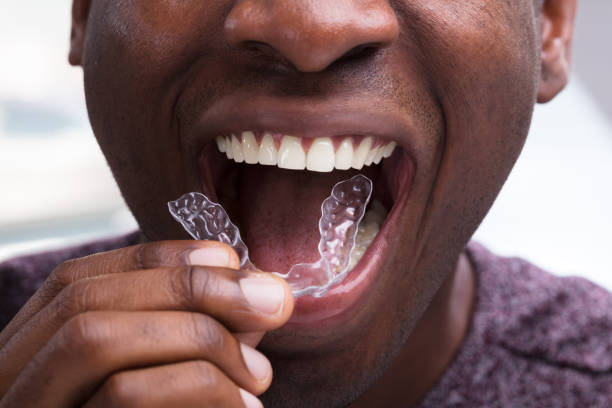
Maintain Your Smile with Implants and Braces Nairobi
Finishing orthodontic treatment is an important achievement, and retaining your results requires continued care. At Implants and Braces Nairobi, we help patients understand the retention phase, choose suitable retainers and learn how to maintain their oral health after braces or clear aligner treatment. Following professional advice and attending regular reviews can help protect the alignment you have worked towards.
If you are preparing to have your braces removed, have questions about retainers or have noticed your teeth shifting after treatment, our team can assess your needs and explain the available options. Our clinic is located at Park Suites Building in Parklands. You can also contact us on 0762 223 925 for inquiries and to book an appointment. Are you ready to take the next step towards maintaining your smile? We have got you covered.