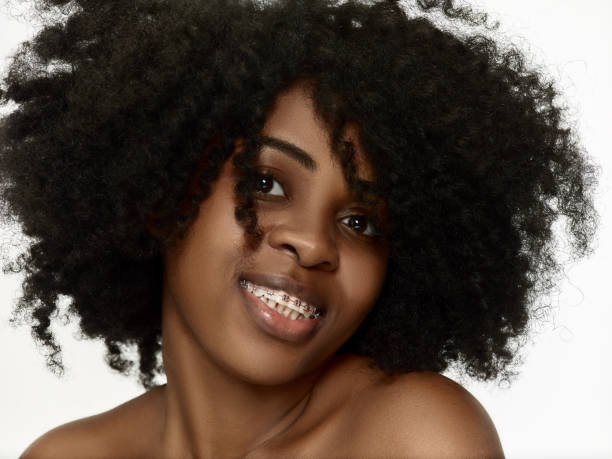
A healthy, aligned smile does more than boost confidence—it plays a key role in oral health. Misaligned teeth can lead to difficulties in chewing, speech problems, increased risk of tooth decay, and gum disease. Dental braces are a common orthodontic solution designed to correct these issues, restoring both function and aesthetics. In Nairobi, braces are increasingly sought by both children and adults, reflecting a growing awareness of the importance of orthodontic care.
Dental braces work by gradually moving teeth into their ideal positions using gentle, sustained pressure. This process improves bite alignment, prevents future dental complications, and enhances overall facial harmony. Understanding what dental braces are, the types available, who can benefit, and what to expect during treatment is essential for anyone considering orthodontic care.
What Are Dental Braces?
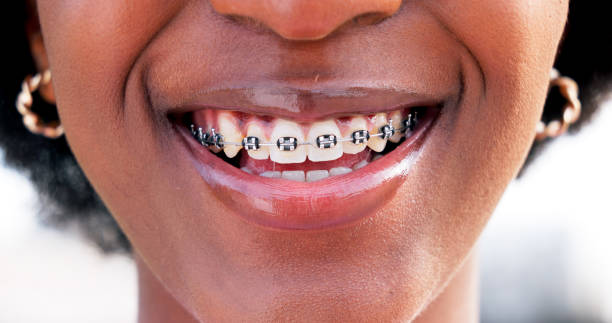
Dental braces are devices used to correct malocclusion, which refers to misaligned teeth or jaw positioning. Braces consist of several components, including brackets, wires, and sometimes elastic bands. Brackets are attached to the teeth, and wires connect them to apply controlled force, guiding teeth into their proper positions over time.
For both children and adults, braces not only improve appearance but also contribute to better oral health. Correctly aligned teeth are easier to clean, reducing the risk of cavities and gum disease. Braces also help prevent abnormal wear of tooth surfaces and jaw joint problems. Treatment duration varies depending on individual needs, ranging from several months to a few years, but the results are long-lasting and transformative.
Why Dental Braces Are Important
Misaligned teeth and jaws can lead to a range of functional and health issues:
- Difficulty chewing and biting – Poor alignment can compromise effective chewing, leading to digestive issues.
- Speech problems – Certain misalignments may affect pronunciation and clarity.
- Increased dental problems – Crowded or crooked teeth are harder to clean, increasing the risk of decay and gum disease.
- Jaw strain and discomfort – Misalignment can cause temporomandibular joint (TMJ) pain or headaches.
- Self-esteem impact – Crooked teeth can affect confidence and social interactions.
Braces address these issues by aligning teeth and jaws, improving both function and confidence for patients in Nairobi.
Types of Dental Braces
Dental braces come in various forms, tailored to the patient’s age, needs, and preferences. These types are:
1. Traditional Metal Braces
These are the most common types and use stainless steel brackets and wires. They are highly effective for correcting severe misalignments and bite issues. While more visible, modern designs are smaller, lighter, and more comfortable than earlier versions.
2. Ceramic Braces
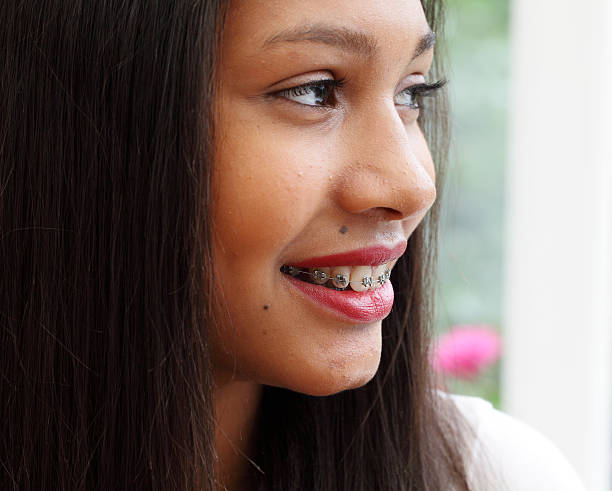
Similar in function to metal braces but with tooth-colored or clear brackets, ceramic braces are less noticeable. They are popular among adults seeking a more discreet orthodontic solution.
3. Lingual Braces
Placed on the back surfaces of the teeth, lingual braces are hidden from view. They offer the benefit of invisibility while still providing effective tooth movement, though they may require more adjustment and professional expertise.
4. Clear Aligners
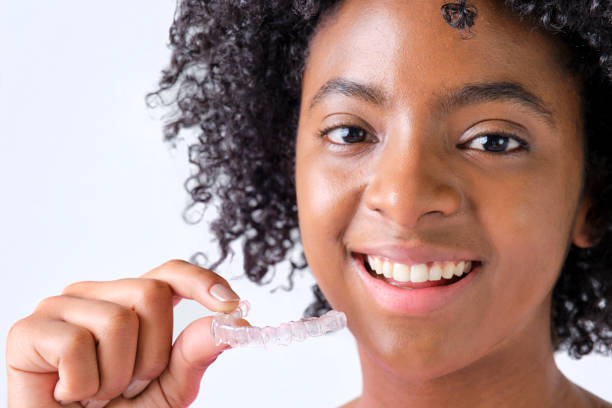
Clear, removable aligners such as Invisalign offer an alternative to traditional braces. They are virtually invisible and can be removed for eating and oral hygiene. Clear aligners are particularly appealing to adults, but may not be suitable for complex cases.
5. Self-Ligating Braces
These use a specialised clip to hold the wire in place instead of elastic bands, reducing friction and potentially shortening treatment time. They are often used for patients seeking more efficient tooth movement.
How Dental Braces Work
Braces apply gentle, continuous pressure on teeth, gradually moving them into proper alignment. The process involves several key stages:
- Initial Assessment – The orthodontist examines teeth, jaws, and bite using X-rays, photographs, and impressions. A personalised treatment plan is then developed.
- Placement of Braces – Brackets are bonded to teeth, and wires are attached. Elastics or other devices may be added to correct jaw alignment.
- Adjustment Phase – Periodic adjustments, usually every 4–8 weeks, ensure the teeth continue to move according to plan.
- Retention Phase – After the desired alignment is achieved, retainers are used to maintain results and prevent relapse.
Treatment duration varies depending on the complexity of misalignment and patient cooperation, but most patients see noticeable improvement within 12–24 months.
Who Can Benefit from Dental Braces?
Children
Orthodontic evaluation is typically recommended by age seven. Early assessment allows orthodontists to identify potential issues and implement timely interventions. Braces for children often guide jaw growth and prevent more severe problems later in life.
Adults
It is never too late to seek orthodontic treatment. Adult patients increasingly seek braces to improve aesthetics and oral health. Although bone density and slower tooth movement may require slightly longer treatment, modern techniques ensure excellent results for adults of all ages.
Both children and adults benefit from improved function, easier oral hygiene, and increased self-confidence after braces treatment.
Benefits of Dental Braces
1. Improved Oral Health
Properly aligned teeth are much easier to clean and maintain. Braces reduce crowding, overlap, and gaps where food particles and plaque can accumulate, significantly lowering the risk of cavities and gum disease. By improving oral hygiene, braces contribute to long-term dental health and reduce the likelihood of future dental complications.
2. Enhanced Function
Misaligned teeth can make chewing and biting inefficient, sometimes leading to digestive issues or uneven wear on teeth. Braces correct the alignment of teeth and jaws, allowing patients to bite, chew, and speak properly. Proper function also alleviates strain on the jaw joints, reducing discomfort and improving overall oral mechanics. Over time, this contributes to better nutrition and overall health.
3. Aesthetic Improvement
A straight, well-aligned smile naturally enhances facial appearance and symmetry. Braces help correct crooked, crowded, or gapped teeth, creating a more balanced and confident look. For both children and adults, this improvement in appearance can boost self-esteem and social confidence. The positive psychological impact of a beautiful smile often extends into personal and professional interactions.
4. Jaw Health
Braces address bite misalignments such as overbites, underbites, and crossbites, which can cause strain on the jaw and surrounding muscles. Proper alignment reduces the risk of temporomandibular joint (TMJ) problems, headaches, and jaw discomfort. Correcting the bite also prevents abnormal wear of tooth surfaces over time. This ensures healthier jaw function and comfort for years to come.
5. Long-Term Confidence
Achieving a straight, healthy smile with braces has a lasting impact on confidence and self-esteem. Patients often experience improved social interactions, enhanced professional presentation, and a positive self-image. The benefits are enduring, as properly aligned teeth are easier to maintain and support overall oral health. A straight smile can truly transform both the functional and emotional aspects of daily life.
Risks and Considerations
While braces are generally safe and effective, patients should be aware of potential considerations:
- Discomfort – Teeth may feel sore after adjustments.
- Oral hygiene challenges – Braces can trap food, requiring diligent cleaning.
- Minor irritation – Brackets and wires may irritate cheeks or gums initially.
- Treatment time – Depending on complexity, treatment may last 12–36 months.
Regular follow-ups, proper oral hygiene, and adherence to orthodontist guidance ensure safe, successful outcomes.
The Impact of Implants and Braces at Nairobi Clinic
Implants and Braces in Nairobi plays a pivotal role in advancing orthodontic care across Nairobi. By combining advanced orthodontic technology, personalised treatment planning, and professional expertise, the clinic ensures that patients—both children and adults—receive optimal care. Many patients who previously struggled with misaligned teeth or functional issues regain proper bite, improved oral health, and renewed self-confidence.
Beyond patient care, the clinic actively educates the community about orthodontic treatment, promoting early intervention and awareness. Continuous investment in training, modern equipment, and best practices demonstrates the clinic’s commitment to high-quality orthodontics and long-term patient satisfaction.
Frequently Asked Questions
At what age should children get braces?
Orthodontic evaluation is recommended by age seven to detect early signs of misalignment or bite issues. Early assessment allows the orthodontist to plan treatment or intervene at the right time, preventing more severe problems in the future. Starting early can make the treatment process smoother and more effective.
Can adults get braces?
Yes, adults of any age can benefit from orthodontic treatment. Modern techniques, including ceramic braces and clear aligners, make it possible to correct misalignment discreetly and comfortably, even in complex cases. Many adults achieve excellent functional and aesthetic results.
How long does treatment take?
Treatment duration depends on the severity of misalignment and the patient’s age. For most children and adults, braces are worn for 12 to 36 months, with regular adjustments every few weeks to guide tooth movement effectively. Commitment to oral hygiene and follow-up visits can also influence treatment time.
Are braces painful?
Some discomfort or soreness is common, particularly after adjustments. This usually subsides within a few days, and over-the-counter pain relief can help manage it. Most patients find the discomfort manageable and temporary compared to the long-term benefits.
Do braces affect eating?
Yes, certain foods should be avoided, such as hard, sticky, or chewy items that can damage brackets or wires. Maintaining proper oral hygiene is essential to prevent plaque buildup and cavities during treatment. Patients quickly adapt to dietary adjustments with guidance from their orthodontist.
Are there alternatives to traditional braces?
Yes, alternatives include ceramic braces, lingual braces, and clear aligners like Invisalign. These options provide varying levels of visibility and convenience, and the best choice depends on the patient’s needs, lifestyle, and the complexity of the misalignment. A consultation will help determine the most suitable option.
Final take.
If you or your child is considering orthodontic treatment, schedule a consultation with Implants and Braces Nairobi. Our expert team provides personalised care, helping patients choose the best type of braces for their needs, whether traditional metal braces, ceramic options, or clear aligners. From assessment to final adjustment, every step prioritises comfort, safety, and long-lasting results.
Take the first step toward a straighter, healthier smile today. Get in contact with our clinic for enquiries and book your consultation today. Our clinic is located at the Park Suites Building, along Parklands Road in Parklands. You can visit us here and experience orthodontic care designed to transform your oral health and confidence.