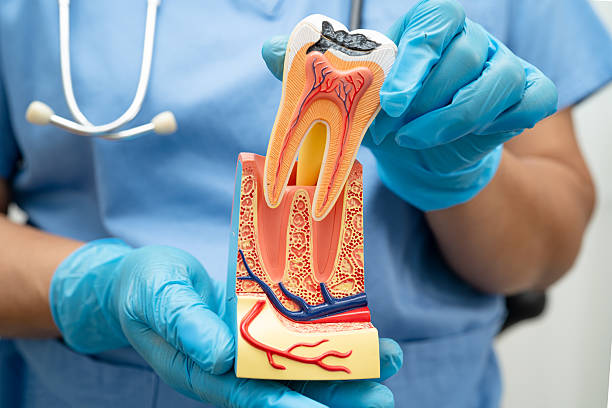
Dental implants are a popular option for replacing missing teeth, restoring chewing function and improving the appearance of your smile. However, the health of your gums plays an important role in determining whether implant treatment is appropriate and how well the implant performs over time.
Gum disease is a common oral health problem that can damage the tissues supporting your natural teeth. If left untreated, it can also increase the risk of complications around dental implants. The good news is that many patients with a history of gum disease can still be considered for implants once their condition has been properly assessed and managed.
At Implants and Braces Nairobi, understanding your gum health is an important part of planning suitable tooth replacement treatment.
What Is Gum Disease?
Gum disease refers to inflammation and infection affecting the tissues that support your teeth. It usually develops when plaque, a sticky film of bacteria, accumulates along the gumline and is not removed effectively through daily oral hygiene.
There are two main stages of gum disease: gingivitis and periodontitis.
Gingivitis is the early stage. The gums may become red, swollen or bleed when brushing or flossing. At this stage, the condition is generally reversible with effective oral hygiene and professional cleaning.
Periodontitis is a more advanced condition in which inflammation damages the tissues and bone supporting the teeth. It can cause gum recession, bone loss, loose teeth and, in severe cases, tooth loss.
Understanding these stages is important when considering dental implants because healthy supporting tissues contribute to successful treatment.
Can You Get Dental Implants If You Have Gum Disease?
Having gum disease does not automatically mean you can never receive dental implants. However, active gum disease generally needs to be treated and brought under control before implant placement is considered.
Placing an implant while significant inflammation or infection remains untreated may increase the risk of complications. Your dentist will assess the condition of your gums, the amount of supporting bone and your overall oral health before recommending treatment.
If you have gingivitis, professional cleaning and improved daily oral hygiene may be sufficient to restore gum health. More advanced periodontitis may require deeper cleaning, periodontal treatment and ongoing monitoring before implant surgery can be planned.
Even after successful treatment, a history of periodontitis remains relevant. Patients who have previously experienced gum disease may need more frequent maintenance appointments to protect their natural teeth and implants.
You can learn more about available tooth replacement options through our dental implant services in Nairobi.
How Does Gum Disease Affect Dental Implants?
Dental implants are placed in the jawbone and supported by the surrounding bone and soft tissues. Although the implant itself cannot develop tooth decay, the tissues around it can become inflamed or infected.
1. It Can Increase the Risk of Implant Complications
Patients with active or previously treated periodontitis may have a higher risk of developing problems around dental implants. This is partly because the bacteria and inflammatory processes associated with gum disease can affect the tissues supporting the implant.
Good treatment planning, effective plaque control and regular professional reviews can help manage this risk.
2. It Can Contribute to Bone Loss
Advanced gum disease can destroy the bone supporting natural teeth. If there is insufficient bone at a proposed implant site, additional treatment may be necessary before an implant can be placed.
After placement, inflammation around an implant can also contribute to bone loss. Early detection and management are important to help preserve the supporting structures.
3. It Can Affect Long-Term Implant Stability
The long-term stability of an implant depends on healthy supporting tissues and successful integration with the jawbone. Persistent inflammation can compromise these structures and, in severe cases, contribute to implant failure.
This is why gum health should not be considered only before surgery. Maintaining healthy gums throughout the life of the implant is equally important.
What Is Peri-Implant Disease?
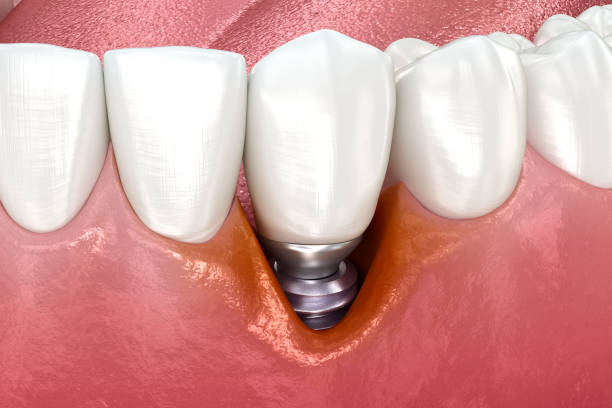
Peri-implant diseases are inflammatory conditions affecting the tissues around dental implants. They are broadly classified as peri-implant mucositis and peri-implantitis.
Peri-implant mucositis involves inflammation of the soft tissues around an implant without the progressive bone loss associated with peri-implantitis. It may be reversible with appropriate professional care and improved plaque control.
Peri-implantitis is a more serious condition involving inflammation around the implant and progressive loss of supporting bone. If it is not managed, the implant may become unstable.
Possible warning signs include
- Redness
- Swelling
- Bleeding when cleaning around the implant
- Tenderness or discharge.
Some patients may not experience obvious pain, so routine dental assessments are important even when the implant feels normal.

How Can You Prepare for Dental Implants If You Have Gum Disease?
If you have gum disease and are considering implants, your dentist may recommend several steps before treatment.
Comprehensive Dental Assessment
The first step is an examination of your gums, teeth and jawbone. Your dentist may measure gum pockets and arrange dental imaging to assess bone levels and the proposed implant site.
Your medical history, medications, smoking habits and previous dental treatment will also help inform the plan.
Treatment for Existing Gum Disease
Depending on the severity of the condition, treatment may involve professional cleaning, deeper periodontal cleaning or referral for specialist periodontal care. Your dentist will also help you improve your daily plaque-control routine.
The aim is to reduce inflammation, manage infection and establish a stable oral health environment before implant placement is considered.
Ongoing Monitoring
Your dentist will assess whether your gums have responded adequately to treatment. Implant surgery should proceed only when the clinical findings support it and the benefits outweigh the risks.
If additional procedures, such as bone grafting, are needed, these can be discussed as part of your personalised treatment plan.
How to Protect Your Gums After Dental Implant Treatment
Once your implants have been placed, long-term care is essential. Good oral hygiene helps reduce plaque accumulation and supports the health of the surrounding gums.
Brush twice daily using a soft-bristled toothbrush and clean carefully around the implant restoration. Interdental brushes or other cleaning aids may be recommended depending on the shape of your restoration. Attend professional maintenance appointments at the frequency advised by your dentist.
Avoid smoking where possible, and seek support to stop if needed. Inform your dentist if you develop bleeding, swelling, persistent discomfort or changes in how your implant feels.
If you have a history of periodontitis, your maintenance schedule may need to be more frequent than that of a patient with no history of gum disease.
Book Your Dental Implant Consultation at Implants and Braces Nairobi
Healthy gums are an important foundation for successful dental implant treatment. If you have gum disease, loose teeth or missing teeth caused by periodontal problems, an assessment can help determine which treatments are needed before tooth replacement. At Implants and Braces Nairobi, we can evaluate your oral health, discuss suitable options and explain how gum care contributes to maintaining your results.
Visit us at Park Suites Building, in Parklands, to discuss your dental concerns and explore your tooth replacement options. Contact our team on 0762 223 925 or use our contact page to arrange a consultation and take the next step towards a healthier smile.