
Your first dental consultation is an important step towards maintaining a healthy smile and addressing any concerns about your teeth, gums or overall oral health. Whether you are visiting a dentist for a routine check-up, experiencing discomfort, considering braces or exploring dental implants, the appointment allows you to understand your dental needs and discuss suitable treatment options.
For many patients, visiting a dentist for the first time in a while can feel intimidating. You may be unsure what the examination involves, whether you will need X-rays or how much the consultation will cost. Knowing what to expect can help you feel more comfortable and prepare you to make informed decisions about your dental care.
Why Is a Dental Consultation Important?
A dental consultation allows a dentist to assess the condition of your teeth, gums and other oral structures. Even when you are not experiencing pain, an examination can identify early signs of tooth decay, gum disease, worn teeth or other problems that may require attention.
Regular consultations also help establish a baseline for your oral health. By understanding your dental history and examining your current condition, your dentist can recommend preventive measures and identify changes that may need monitoring or treatment.
A consultation is also an opportunity to discuss specific concerns. You might want to replace missing teeth, straighten misaligned teeth, improve the appearance of your smile or find out why your gums bleed when brushing. Sharing these concerns helps your dentist tailor the assessment and recommendations to your needs.
If you are considering restorative treatment, you can learn more about options such as dental implants or orthodontic treatment with dental braces.

Step 1: Discussing Your Dental and Medical History
Your consultation will usually begin with a discussion about your dental history, general health and reasons for booking the appointment. This information helps your dentist understand your needs before proceeding with the examination.
You may be asked about previous dental treatments, any history of toothache or gum problems, and whether you have experienced sensitivity, bleeding gums, bad breath or difficulty chewing. If you have missing teeth, loose teeth or concerns about how your smile looks, this is a good time to explain them.
Your dentist may also ask about your medical history, including current medication, allergies and medical conditions that could affect dental treatment. Certain conditions and medicines can influence gum health, bleeding, healing or the choice of anaesthesia.
Be as open as possible when answering these questions. If you have previous dental records or X-rays, bringing them along may be useful, although the dentist will determine whether they are relevant to your current assessment.
This conversation is not simply a formality. It helps your dentist identify potential risks and recommend care that takes your overall health into account.
Step 2: Examining Your Teeth and Gums
After discussing your history, the dentist will carry out an oral examination. The exact assessment depends on your concerns, symptoms and treatment goals.
The dentist will examine your teeth for signs of decay, cracks, worn enamel, damaged fillings and other changes. They may also assess your bite to see how your upper and lower teeth meet when you close your mouth.
Your gums will be checked for signs of inflammation, swelling, bleeding or recession. Depending on your symptoms, the dentist may examine the tissues around individual teeth to assess whether gum disease is present. Other areas of the mouth, including the tongue and inner cheeks, may also be examined as part of a broader oral health assessment.
If you have missing teeth, the dentist may assess the surrounding teeth, available space and condition of the tissues in the affected area. This can help determine whether tooth replacement options, such as a bridge, denture or dental implant, may be appropriate.
The examination is generally straightforward, although you may experience mild discomfort if an area is already sensitive or inflamed. Let your dentist know if anything hurts so that they can adjust the examination where possible.
Step 3: Taking Dental X-Rays, If Necessary
A visual examination does not always reveal everything happening beneath the gum line or inside the teeth. Your dentist may recommend dental X-rays if they need a clearer view of the roots, jawbone or areas that cannot be assessed adequately during the examination.
X-rays can help identify problems such as decay between teeth, infections around tooth roots, impacted teeth, bone loss associated with gum disease and other abnormalities. They may also be useful when planning procedures such as root canal treatment or dental implant placement.
Not every patient needs X-rays at every appointment. Your dentist will consider your symptoms, dental history and clinical findings before deciding whether imaging is necessary.
If you are exploring dental implants, for example, additional imaging may be required later to assess the jawbone and plan treatment accurately. A routine consultation may therefore be followed by further investigations before a final treatment plan is confirmed.
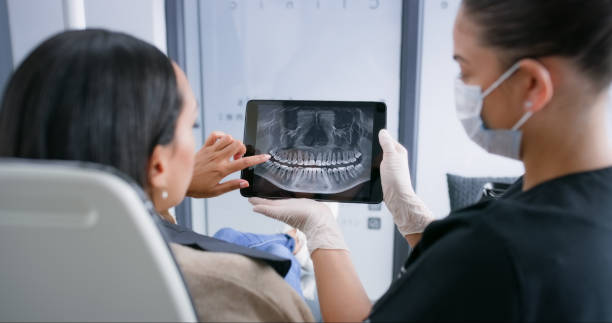
Step 4: Discussing Your Dental Concerns and Treatment Goals
Your first consultation should give you time to explain what you would like to achieve. Some patients want to resolve a specific problem, such as a painful tooth or bleeding gums, while others are interested in improving their smile or replacing missing teeth.
If your main concern is the alignment of your teeth, your dentist can discuss whether orthodontic treatment may be suitable. Options may include traditional braces or clear aligners, depending on your dental condition and treatment goals.
Patients with missing teeth can discuss possible replacement options and learn about the factors that influence their suitability for dental implants. These may include gum health, bone volume, general health and the condition of neighbouring teeth.
You can also ask questions about the expected treatment duration, possible discomfort, aftercare requirements and costs. If you are worried about dental procedures, let your dentist know. Understanding your concerns can help the team explain the process and discuss appropriate ways to make your treatment more comfortable.
Step 5: Receiving a Diagnosis and Personalised Treatment Plan
Once the examination and any necessary investigations are complete, your dentist will explain their findings. If a dental problem has been identified, they will discuss its nature, severity and the available treatment options.
Your treatment plan will depend on your individual circumstances. You may need a simple filling, professional cleaning, gum treatment or more extensive restorative care. In some cases, the dentist may recommend monitoring a concern rather than treating it immediately.
Where several treatments are possible, your dentist should explain the relevant benefits, limitations, risks and likely costs so that you can make an informed decision. You should also understand which issues need prompt attention and which can be scheduled for a later date.
Not every treatment will necessarily take place during your first consultation. More complex procedures may require additional appointments, diagnostic imaging or specialist assessment.
For example, a patient considering dental implants may first need treatment for active gum disease before implant placement can be considered. Similarly, orthodontic treatment usually requires a detailed assessment before braces are fitted.
Step 6: Discussing Costs and Booking Follow-Up Appointments
Before proceeding with recommended treatment, ask for a clear explanation of the expected costs. The total amount will depend on the procedures required, the complexity of your case and whether additional investigations or appointments are necessary.
If you are considering braces or dental implants, remember that the initial consultation is only one part of the overall treatment process. Your dentist can explain the likely stages, the need for follow-up visits and any factors that may affect the final cost.
You can also discuss the order in which treatments should be completed. Where several concerns need attention, the dentist may recommend addressing pain, infection or active gum disease before moving on to elective or cosmetic procedures.
Before leaving, make sure you understand the next steps, any recommended home-care measures and when you should return. If you have questions after the appointment, contact the clinic rather than relying on assumptions about your treatment.

How Can You Prepare for Your First Dental Consultation?
A little preparation can make your appointment more productive. Consider the following before visiting your dentist:
- Write down your concerns: Note any pain, sensitivity, bleeding gums, missing teeth or changes in your mouth, including when the symptoms started.
- Prepare your medical information: Bring details of current medication, known allergies and relevant medical conditions.
- Bring previous dental records if available: Earlier X-rays or treatment information may help your dentist understand your dental history.
- Prepare questions: Ask about diagnosis, treatment options, costs, risks and recovery where relevant.
You do not need to know exactly what treatment you require before arriving. The purpose of the consultation is to help you understand your oral health and determine the most appropriate way forward.
Book Your Dental Consultation at Implants and Braces Nairobi
Taking the first step towards better oral health begins with understanding your dental needs. At Implants and Braces Nairobi, we encourage patients to discuss their concerns openly, ask questions and explore suitable options for maintaining or improving their smiles. Whether you need a routine examination, advice about missing teeth or an assessment for orthodontic treatment, a dental consultation provides a starting point for informed decisions.
Visit us at our Clinic in Parklands, Nairobi, to discuss your dental concerns and the treatment options available to you. Contact our team on 0762 223 925 or visit our contact page to enquire about an appointment. We look forward to helping you take the next step towards a healthier smile.