
Dental implants are a popular solution for replacing missing teeth because they provide stable support for artificial teeth and can last for many years with proper care. However, one of the most common questions patients ask before treatment is how long dental implants actually last.
The lifespan of a dental implant depends on several factors, including oral hygiene, gum health, lifestyle habits, the quality of the supporting bone and regular dental check-ups. Understanding these factors can help you protect your investment and maintain a healthy smile.
At Implants and Braces Nairobi, we help patients understand the dental implant process, the importance of long-term maintenance and the steps they can take to support successful outcomes.
How Long Do Dental Implants Last?
Dental implants can last for decades, and many remain functional for 20 years or longer. However, their lifespan varies from patient to patient, and no implant can be guaranteed to last a lifetime.
It is important to distinguish between the implant itself and the visible replacement tooth. The implant is the post placed in the jawbone, while the crown is the artificial tooth attached to it. The implant may remain stable even if the crown eventually needs repair or replacement because of normal wear, damage or changes in the surrounding tissues.
With good oral hygiene, healthy gums, appropriate treatment planning and regular professional monitoring, patients can improve the chances of maintaining their implants over the long term.
If you are considering treatment, explore our dental implant services in Nairobi to learn more about replacing missing teeth.

What Is the Difference Between an Implant and an Implant Crown?
A typical dental implant restoration has three main components:
- The implant: A small post, commonly made from titanium, that is placed in the jawbone and acts as an artificial tooth root.
- The abutment: The connector that joins the implant to the replacement tooth.
- The crown: The visible part designed to resemble and function like a natural tooth.
The implant integrates with the surrounding bone through a process called osseointegration. Once healing is complete and the implant is stable, the restoration can provide support for everyday activities such as chewing and speaking.
The crown experiences repeated biting forces and may wear down or become damaged over time. Depending on its condition, it may need maintenance or replacement while the underlying implant remains in place.
Seven Factors That Affect the Lifespan of Dental Implants
1. Oral Hygiene and Daily Care
Good oral hygiene is one of the most important factors in maintaining dental implants. Although implants cannot develop tooth decay in the same way as natural teeth, the gums and bone surrounding them remain vulnerable to inflammation and infection.
Plaque can accumulate around the implant and contribute to a condition known as peri-implant disease. If left untreated, this can damage the supporting tissues and potentially cause the implant to become loose.
Brush twice daily with a soft-bristled toothbrush, clean between your teeth and around the implant as recommended, and attend routine dental appointments. Your dentist can advise on suitable interdental brushes or other cleaning aids.
2. Gum Health
Healthy gums help protect the tissues supporting your implant. A history of gum disease may increase the risk of complications, particularly if the condition remains active or is not adequately controlled before treatment.
Signs such as persistent bleeding, swelling, tenderness or discharge around an implant should not be ignored. Early assessment can help identify inflammation before it progresses.
Your dentist will assess your gum health before implant placement and may recommend periodontal treatment or more frequent maintenance visits where necessary.
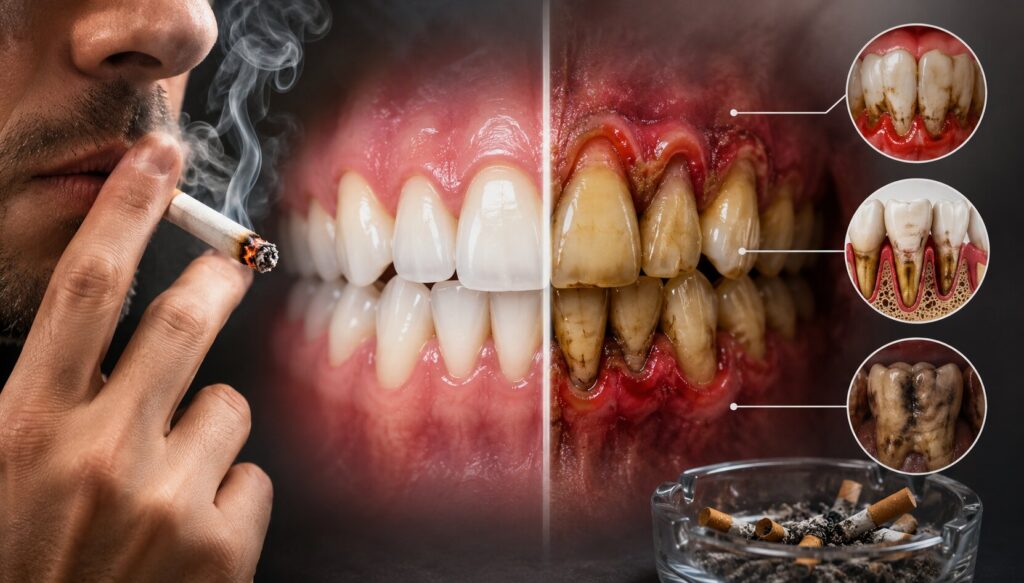
3. Smoking and Tobacco Use
Smoking can impair healing and affect the blood supply to the tissues around an implant. It is also associated with an increased risk of implant complications and failure.
If you smoke, discuss this with your dentist before treatment. Avoiding tobacco during healing and stopping smoking altogether can help support better oral and general health.
4. Bone Quality and Quantity
Dental implants need adequate bone support to remain stable. If the jawbone is too thin or lacks sufficient volume, additional procedures, such as bone grafting, may be considered before or during implant treatment.
Bone loss can also occur after an implant has been placed, particularly when inflammation or excessive loading affects the surrounding tissues. Careful planning, appropriate implant placement and regular monitoring are therefore essential.
5. General Health and Medical Conditions
Certain medical conditions can affect healing and the long-term health of the tissues around an implant. For example, poorly controlled diabetes may increase the risk of complications.
Some medications and medical treatments can also influence bone health or healing. Always provide your dentist with an accurate medical history and an up-to-date list of medications. Do not stop prescribed medication without advice from your treating clinician.
6. Bite Forces and Teeth Grinding
Dental implants are designed to withstand normal chewing forces, but excessive pressure may contribute to complications involving the implant, crown or supporting bone.
Patients who clench or grind their teeth may place additional stress on their restorations. Depending on the circumstances, a dentist may recommend a protective night guard or adjustments to the bite.
A properly planned restoration and routine reviews can help identify wear, damage or other issues before they become more serious.
7. The Quality of Treatment and Follow-Up Care
The planning and placement of an implant are important to its long-term performance. Your dentist must assess the condition of your gums and jawbone, select an appropriate treatment approach and ensure the restoration fits your bite.
After treatment, regular check-ups allow the dentist to monitor the implant, surrounding tissues and crown. Any problems can then be addressed promptly.
How Can You Make Dental Implants Last Longer?
Although you cannot control every factor affecting implant longevity, consistent care can make a meaningful difference. To support your implant over the long term:
- Brush twice daily and clean carefully around the implant.
- Attend regular dental check-ups and professional cleaning appointments as advised.
- Avoid smoking and seek support if you want to quit.
- Wear a recommended night guard if you grind or clench your teeth.
- Contact your dentist if you notice pain, bleeding, swelling, looseness or changes in your bite.
Avoid using your implant crown to bite hard objects or open packaging. Dental implants are strong, but the restoration and surrounding structures can still be damaged by excessive force.

When Should a Dental Implant Be Checked or Replaced?
A dental implant should be assessed if it feels loose, becomes painful or develops persistent swelling or bleeding around the gums. A crown that chips, cracks or feels different when you bite also needs professional attention.
Not every problem means the implant itself has failed. Sometimes the issue involves the crown, abutment or surrounding gum tissue, and treatment may be possible without removing the implant.
Your dentist can examine the area and, where necessary, use dental imaging to assess the supporting bone. The recommended treatment will depend on the cause and extent of the problem.
Maintain Your Smile with Implants and Braces Nairobi
Dental implants can provide a durable solution for missing teeth, but their long-term success depends on careful treatment planning and ongoing maintenance. If you are considering dental implants or already have one, the team at Implants and Braces Nairobi can help you understand the factors that influence implant longevity and the care needed to protect your oral health.
We can assess your needs, discuss suitable tooth replacement options and explain how regular reviews contribute to long-term maintenance. Our goal is to help you make informed decisions about restoring your smile and keeping it healthy.
Visit our Parklands Clinic to discuss your dental implant needs with our specialists. Moreover, you can contact us on 0762 223 925 or visit our contact page to book a consultation and learn how we can support your long-term dental health.