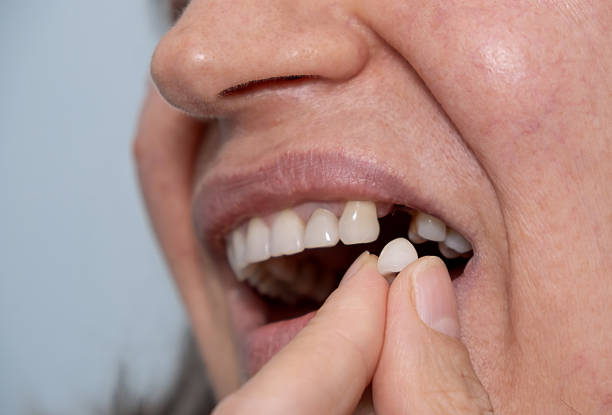
Losing a tooth can affect more than the appearance of your smile. Missing teeth can make chewing difficult, affect speech, change how your remaining teeth fit together and contribute to changes in your jawbone over time. Although it may be tempting to delay treatment when the gap is not painful, addressing tooth loss early can help protect your oral health and preserve your options for replacement.
Dental implants, bridges and dentures can restore missing teeth, but the most suitable option depends on your oral health, the location of the gap and your individual needs. Understanding why timely treatment matters can help you make an informed decision about your dental care.
At Implants and Braces Nairobi, we help patients explore tooth replacement options and understand how early intervention can support a healthy, functional smile.
What Happens When You Leave a Missing Tooth Unreplaced?
A missing tooth creates a gap that can affect the surrounding teeth and the structures supporting them. The consequences vary depending on whether one tooth or several teeth are missing, where the gap is located and how long it remains untreated.
1. Your Jawbone Can Gradually Lose Density
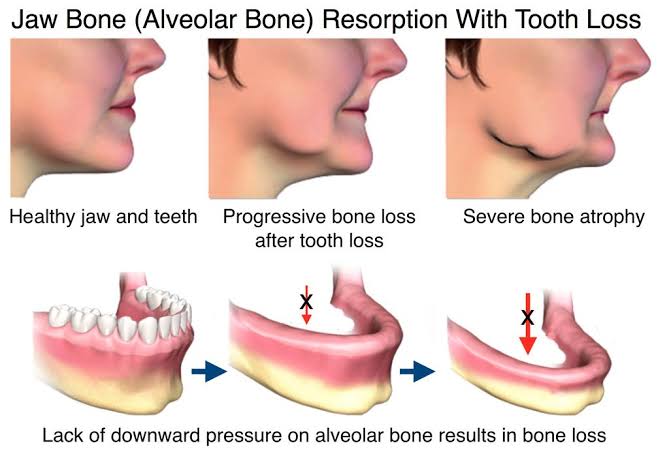
Your natural tooth roots stimulate the jawbone during chewing. When a tooth is lost, that stimulation reduces, and the bone in the affected area may gradually shrink. This process is known as bone resorption.
Bone loss can change the contours of the jaw and may reduce the amount of bone available for future dental implant placement. Although bone grafting can sometimes help rebuild deficient areas, it may add complexity, time and cost to treatment.
Replacing a missing tooth with a dental implant can help maintain stimulation in the surrounding bone because the implant acts as an artificial tooth root. However, implants do not guarantee that all bone loss will be prevented.
2. Nearby Teeth May Shift
Your teeth help maintain one another’s positions within the dental arch. When a tooth is lost, the neighbouring teeth may gradually tilt or drift into the empty space. The opposing tooth may also move towards the gap.
These changes can affect your bite and create spaces where food becomes trapped. Misalignment may also make cleaning more difficult, potentially increasing the risk of tooth decay and gum disease.
Timely assessment allows your dentist to determine whether replacement is needed and how best to maintain the alignment of your remaining teeth.
3. Chewing and Eating Can Become Difficult
Missing teeth can make it harder to bite and chew certain foods, particularly when the gap affects the back teeth responsible for grinding food. Some people begin favouring one side of the mouth, placing additional pressure on the teeth and jaw muscles on that side.
Depending on the number and position of missing teeth, this can affect eating comfort and dietary choices. Replacing missing teeth can restore more balanced chewing and make everyday meals easier to manage.
4. Speech May Be Affected
Your teeth, tongue and lips work together to produce clear speech. A missing front tooth, in particular, may affect the pronunciation of certain sounds or change the way air moves through the mouth.
The impact varies from person to person. Replacing the missing tooth with an appropriately designed restoration can help improve speech and restore confidence when communicating.
5. Your Smile and Confidence May Change
A gap in your smile can make some people feel self-conscious when speaking, laughing or taking photographs. Others may avoid social situations because they are uncomfortable with the appearance of their teeth.
Replacing a missing tooth can restore the continuity of your smile and help you feel more comfortable in everyday interactions. Your dentist can discuss options that suit your oral health needs as well as your aesthetic goals.
Why Early Dental Implant Treatment Can Be Beneficial
Dental implants are one option for replacing missing teeth. They consist of an implant placed in the jawbone, an abutment that connects the implant to the restoration, and a crown or other suitable replacement tooth.
Considering implants early may help your dentist assess the site before substantial bone loss or changes in the surrounding teeth occur. This can make treatment planning more straightforward for some patients, although an examination and appropriate imaging are needed to determine suitability.
Implants can also replace a tooth without requiring the neighbouring teeth to be prepared for support, as is generally necessary with a conventional tooth-supported bridge. They are designed to provide stable function and can be maintained with good oral hygiene and regular dental reviews.
However, dental implants are not suitable for everyone. Gum health, bone volume, medical conditions, smoking habits and other factors influence treatment planning. Read more about dental implants and how they replace missing teeth to understand the treatment process.
What Are Your Options for Replacing Missing Teeth?
The right replacement depends on how many teeth are missing, their location, your oral health and your preferences.
1. Dental implants
These are placed in the jawbone and support a crown, bridge or other restoration. They provide a fixed replacement option and can help maintain bone stimulation at the implant site.
2. Dental bridges
A bridge fills the gap using an artificial tooth supported by neighbouring teeth or implants, depending on the design. A conventional bridge may be appropriate when the supporting teeth and surrounding tissues are suitable.
3. Dentures
Partial dentures replace some missing teeth, while complete dentures replace an entire arch of teeth. They are removable options that may suit patients with different treatment needs and budgets.
Your dentist can explain the advantages, limitations, maintenance requirements and costs of each option. You can also explore dental implant treatment options in Nairobi before your consultation.
Can You Still Replace a Tooth Years After Losing It?
Yes. A missing tooth can often be replaced even if several months or years have passed. However, the condition of the jawbone, gums and neighbouring teeth may have changed during that time.
Some patients remain suitable for dental implants without additional procedures, while others may need treatment for gum disease or bone grafting before implant placement. Bridges and dentures may also be considered, depending on the clinical circumstances.
The best next step is a dental assessment rather than assuming that treatment is no longer possible. Even if you have lived with a gap for a long time, a dentist can evaluate your current oral health and discuss suitable options.
How Implants and Braces Nairobi Can Help
At Implants and Braces Nairobi, we assess missing teeth with a focus on restoring function, maintaining oral health and achieving a natural-looking result. Our team can discuss the available replacement options, explain the stages of treatment and help you understand what to expect before making a decision.
Whether you have recently lost a tooth or have had a gap for several years, an early consultation can help identify potential concerns and establish an appropriate treatment plan. The aim is to choose a solution that fits your oral health needs and supports the long-term care of your remaining teeth.
Book a Consultation at Implants and Braces Nairobi
Replacing missing teeth is not only about improving the appearance of your smile. Timely assessment can help you address changes in your bite, protect your remaining teeth and explore treatment before further complications develop. If you have a missing tooth, our team at Implants and Braces Nairobi can evaluate your oral health and explain whether dental implants, bridges or dentures may be appropriate for you.
Visit us at Park Suites Building, Parklands Road, Parklands, Nairobi, to discuss your tooth replacement needs. Contact our team on 0762 223 925 or visit our contact page to arrange a consultation and take the next step towards a healthier, more complete smile.