Dental implants are a reliable way to replace missing teeth, restore chewing function and improve the appearance of your smile. However, successful treatment involves more than placing the implant. Recovery is an important stage in which the gums heal, and the implant gradually integrates with the jawbone.
Understanding what to expect after dental implants surgery can help you prepare, manage discomfort and protect your results. Although most patients recover without significant complications, healing times vary depending on the number of implants placed, the complexity of the procedure and individual health factors.
At Implants and Braces Nairobi, we guide patients through the dental implant process, including the healing period and the care needed to support long-term success.
What Happens During Dental Implant Recovery?
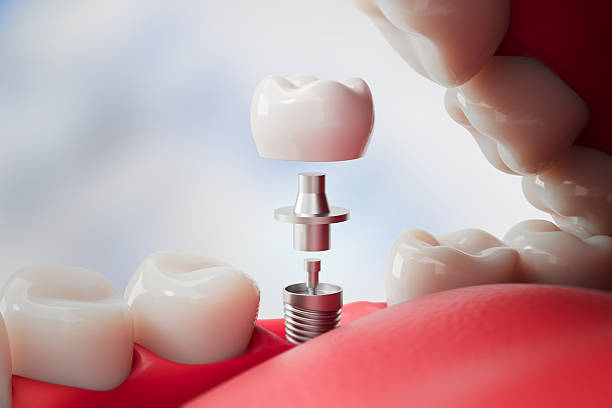
A dental implant is a small post, usually made from titanium, that is placed into the jawbone to replace a missing tooth root. Once inserted, it begins a biological process known as osseointegration, during which the surrounding bone gradually bonds with the implant.
The gums also need time to heal around the surgical site. Once the implant has integrated sufficiently with the bone, a dental crown, bridge, or another suitable restoration can be attached, depending on your treatment plan.
You can learn more about the dental implants procedure and how implants work before beginning treatment.
Dental Implants Recovery Timeline: What to Expect
The First 24 Hours
It is normal to experience some tenderness, minor bleeding and swelling after surgery. As the local anaesthetic wears off, you may notice discomfort around the implant site. Your dentist may recommend appropriate pain relief and provide instructions for managing the wound.
Rest for the remainder of the day and avoid strenuous activity. Do not disturb the surgical site, spit forcefully or rinse vigorously, as these actions may interfere with blood clot formation.
The First Three Days
Swelling and bruising may become more noticeable during the first two or three days before gradually improving. Some patients experience jaw stiffness or mild difficulty chewing, particularly when several implants have been placed.
Continue eating soft foods, follow your dentist’s cleaning instructions and take any prescribed medication as directed. If symptoms become more severe instead of improving, contact your dental clinic.
The First Week
Most patients notice a gradual reduction in discomfort and swelling during the first week. You may be able to return to normal daily activities within a day or two, depending on the procedure and how you feel.
The gums continue healing during this period. If you have stitches, your dentist will advise whether they need to be removed or will dissolve naturally. Attend any scheduled review appointments so your dentist can assess the surgical site.
The Following Weeks and Months
Although the gums may heal within a few weeks, the implant needs longer to integrate with the jawbone. This process commonly takes around three to six months, although the exact timeline varies.
Patients who undergo additional procedures, such as bone grafting, may need more time before the final restoration can be fitted. Your dentist will determine when the implant is sufficiently stable for the next stage of treatment.

How to Care for Yourself After Dental Implant Surgery
Following your dentist’s aftercare instructions is essential for reducing complications and supporting healing. These are some important measures to keep in mind.
1. Eat Soft, Nutritious Foods
Choose foods that are easy to chew and do not place unnecessary pressure on the surgical site. Suitable options include yoghurt, mashed potatoes, scrambled eggs, soft porridge and lukewarm soups.
Avoid very hot foods and drinks immediately after surgery, as well as hard, crunchy or sticky foods that may irritate the area. Gradually return to your usual diet as healing progresses and as your dentist advises.
2. Maintain Good Oral Hygiene
Keeping your mouth clean helps reduce the risk of infection. However, you should avoid brushing directly over the surgical site until your dentist says it is safe to do so.
Brush your other teeth gently with a soft-bristled toothbrush and follow any instructions about rinsing with salt water or a prescribed mouthwash. Do not use harsh rinses or disturb the wound.
3. Avoid Smoking and Limit Alcohol
Smoking can interfere with blood flow and healing, increasing the risk of complications and implant failure. It is best to avoid smoking throughout recovery and to discuss cessation support with your dentist if necessary.
Alcohol may also interfere with healing or interact with prescribed medication. Avoid it during the initial recovery period and follow your dentist’s specific advice.
4. Rest and Avoid Strenuous Exercise
Take it easy during the first 24–48 hours, or for as long as your dentist recommends. Heavy lifting and intense exercise may increase bleeding or discomfort in the early stages of recovery.
You can gradually resume normal activities as you feel better. If your surgery involved multiple implants or bone grafting, your recovery instructions may be more restrictive.

What Is Normal After Dental Implants Surgery?
Mild discomfort, swelling, bruising, tenderness around the gums and a small amount of bleeding during the initial period can be normal. These symptoms should gradually improve rather than become increasingly severe.
However, contact your dentist promptly if you experience:
- Persistent or heavy bleeding
- Worsening pain or swelling
- Pus
- Fever
- Unpleasant taste
- Any other signs of infection.
- Difficulty in breathing or swallowing. (Requires urgent medical attention.)
Do not assume that severe or worsening symptoms are simply part of the healing process. Early assessment allows your dentist to identify and manage potential complications.
Factors That Can Affect Dental Implants Healing
Recovery is not identical for every patient. Several factors can influence how quickly the implant site heals and how successfully the implant integrates with the jawbone. These include:
- Your general health
- The condition of your gums
- The amount and quality of available jawbone
- Smoking habits
- How consistently you follow aftercare instructions
- Conditions such as poorly controlled diabetes
The complexity of treatment matters, too. A straightforward single implant may involve a different recovery experience from multiple implants or procedures that include bone grafting.
For this reason, a personalised assessment is important before treatment. Read more about dental implant options and treatment planning to understand how your individual needs influence the process.
When Can You Return to Normal Activities?
Many dental implants patients return to work and light daily activities within one or two days, particularly after uncomplicated implant surgery. Others may need additional rest, depending on the extent of treatment and the physical demands of their work.
Eating normally takes longer and should be guided by comfort and professional advice. Even when the gums feel healed, the implant may still be integrating with the jawbone.
Your dentist will advise when to resume exercise, introduce firmer foods and proceed with the final crown or other restoration. Follow-up appointments remain important throughout this period.
Dental Implants Recovery at Implants and Braces Nairobi
At Implants and Braces Nairobi, we recognise that patients need clear guidance before, during and after dental implants treatment. Our approach includes assessing your oral health, discussing your treatment options and explaining the expected healing process so you know how to care for your mouth after surgery.
Whether you are replacing one missing tooth or considering a more extensive restoration, our team can help you understand the stages involved and the importance of follow-up care. Explore our dental implant services in Nairobi to learn more about available treatment options.
Book Your Dental Implants Consultation at Implants and Braces Nairobi
Recovering successfully from dental implant surgery starts with appropriate treatment planning, careful aftercare and regular professional reviews. If you have missing teeth and are considering implants, our team at Implants and Braces Nairobi can assess your oral health, explain your options and help you understand what to expect throughout treatment and recovery.
Visit us on the 6th Floor of Park Suites Building, Parklands Road, Parklands, Nairobi, to discuss your dental concerns with our team. Contact us on 0762 223 925 or visit our contact page to book a consultation and take the next step towards restoring your smile.