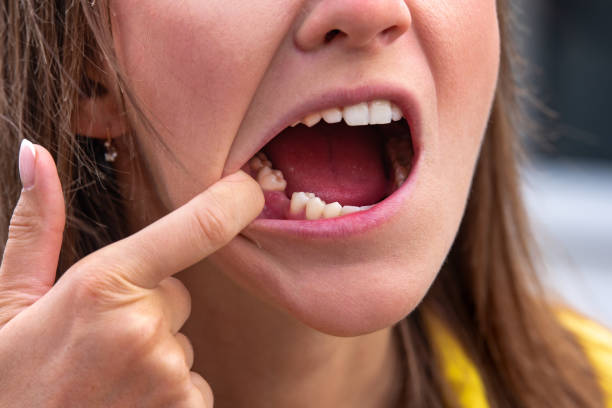
Losing a tooth is something many people assume they can deal with later. Whether the tooth was removed because of decay, injury, gum disease, or another dental issue, it is common for people to postpone treatment, especially if the missing tooth is not immediately visible when they smile. At first, it may not seem like a major concern. Eating still feels manageable, the pain may be gone, and daily life continues normally. However, a missing tooth affects far more than appearance alone.
The reality is that every tooth in the mouth plays an important role. Teeth support one another, help maintain jawbone structure, assist with proper chewing and speech, and contribute to facial balance. When even one tooth is lost and not replaced in time, a chain reaction can begin inside the mouth. Over time, this can lead to more complicated dental problems, changes in facial appearance, and additional treatment costs.
At Implants and Braces Nairobi, many patients are surprised to learn how much impact a single missing tooth can have on their overall oral health. Understanding these effects early can help people make informed decisions about treatment and protect their smile for the future.
The Jawbone Begins to Shrink
One of the biggest consequences of delaying tooth replacement happens beneath the gums, where it cannot easily be seen. Natural tooth roots stimulate the jawbone every time a person chews or bites. This stimulation keeps the bone healthy and strong. Once a tooth is removed, that stimulation disappears.
As a result, the body begins to reabsorb the bone in that area. This process is known as bone resorption. In the first year after losing a tooth, significant bone loss can already occur. The longer the tooth remains unreplaced, the more the jawbone shrinks.
This becomes important because the jawbone supports not only the teeth but also the overall structure of the face. Bone loss can eventually make the cheeks appear sunken and contribute to an aged facial appearance. In severe cases, patients may later require bone grafting procedures before they can qualify for dental implants. Replacing a missing tooth early, especially with a dental implant, helps preserve bone density and maintain the natural structure of the jaw.
Nearby Teeth Start to Shift
Teeth are designed to work together in a balanced alignment. When a gap is left open for too long, the surrounding teeth slowly begin to move into the space. Teeth beside the gap may tilt, while the tooth opposite the missing one may begin to grow downward or upward into the space.
This shifting can create several problems over time. The bite may become uneven, making chewing uncomfortable or inefficient. Food can become trapped more easily between teeth, increasing the risk of decay and gum disease. Crowding may also develop, causing teeth that were once straight to become misaligned.
For patients who may eventually want braces or orthodontic treatment, delaying replacement can make treatment more complicated. The longer the gap remains untreated, the more changes occur within the mouth.

Chewing Becomes Less Effective
Many people adapt to a missing tooth by chewing on one side of the mouth more often. While this may seem harmless initially, uneven chewing can place excessive pressure on certain teeth and jaw muscles.
Over time, this imbalance may contribute to tooth wear, jaw discomfort, headaches, or strain on the temporomandibular joint (TMJ). Some people also begin avoiding certain foods because chewing becomes difficult or uncomfortable.
When multiple teeth are missing, proper nutrition can even be affected. Crunchy fruits, vegetables, meats, and other healthy foods may become harder to eat, causing some individuals to shift toward softer and sometimes less nutritious options. Replacing missing teeth restores proper chewing function and helps distribute pressure evenly across the mouth.
Speech Can Be Affected
Teeth play a surprisingly important role in speech. Certain sounds require the tongue to interact with the teeth in precise ways. Missing teeth, particularly front teeth, can alter pronunciation and create speech difficulties such as lisping or unclear speech.
For some people, these changes are subtle. For others, especially those whose work or social life depends heavily on communication, speech changes can affect confidence and self-esteem. Prompt tooth replacement helps maintain normal speech patterns and prevents the tongue from adapting to problematic positions over time.
Confidence and Self-Esteem May Decline
The emotional effects of tooth loss are often underestimated. A missing tooth can affect the way people smile, laugh, speak, and interact socially. Some individuals become self-conscious during conversations or avoid smiling in photos altogether.
Even when the missing tooth is located toward the back of the mouth, people may still feel anxious about others noticing the gap or about difficulties while eating in public. Over time, this can affect personal confidence and social comfort.
Many patients who finally replace a missing tooth often say they wish they had done it sooner because of the positive impact it has on their self-esteem and daily life.
Delaying Treatment Can Increase Future Costs
One of the main reasons people postpone tooth replacement is cost. However, waiting too long can sometimes lead to more expensive treatment later on. For example:
- Bone loss may require additional grafting procedures
- Shifting teeth may need orthodontic correction
- Uneven bite pressure can damage surrounding teeth
- Gum disease and decay risks may increase
- Multiple treatments may become necessary instead of one straightforward procedure
Addressing tooth loss early is often simpler, less invasive, and more cost-effective in the long run.
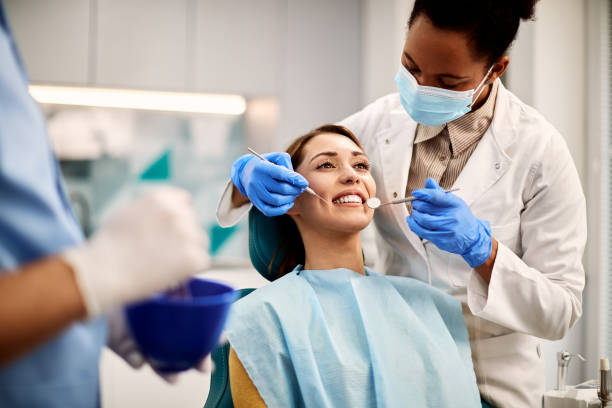
Why Dental Implants Are Often the Preferred Solution
Modern dentistry offers several ways to replace missing teeth, including bridges, dentures, and dental implants. Among these options, dental implants are widely considered one of the most effective long-term solutions because they replace both the visible tooth and the root beneath the gums.
Unlike removable dentures, implants are fixed securely in the jawbone. They look, feel, and function very similarly to natural teeth. Most importantly, implants help preserve jawbone structure by providing the stimulation that natural tooth roots normally supply.
Dental implants also do not rely on neighbouring teeth for support, which helps protect healthy surrounding teeth from unnecessary alteration. For many patients, implants provide a durable, comfortable, and natural-looking solution that can last for many years with proper care.
The Importance of Early Assessment
Even if someone is not ready to begin treatment immediately, it is still important to seek professional dental advice soon after losing a tooth. Early assessment allows a dentist to evaluate bone condition, monitor surrounding teeth, and discuss suitable treatment options before complications develop.
Every patient’s situation is unique. Factors such as age, oral health, number of missing teeth, and bone condition all influence the best treatment approach. Early planning often opens the door to simpler and more successful outcomes.
How Implants and Braces Nairobi Helps Patients Restore Their Smiles
At Implants and Braces Nairobi, patients receive personalised care designed to restore both oral health and confidence after tooth loss. The clinic focuses on modern dental solutions that prioritise comfort, function, aesthetics, and long-term results.
The team understands that losing a tooth can feel overwhelming for many people, especially when concerns about appearance, cost, or treatment anxiety are involved. That is why patient education and clear guidance remain an important part of the treatment process. Each patient is carefully assessed to determine the most suitable replacement option based on their individual needs and goals.
Through advanced implant dentistry and comprehensive restorative care, Implants and Braces Nairobi helps patients regain healthy smiles while preventing the long-term complications associated with untreated tooth loss.

Final Thoughts
A missing tooth may seem like a small issue at first, but delaying treatment can lead to significant oral health challenges over time. Bone loss, shifting teeth, chewing problems, speech changes, and declining confidence are just some of the effects that can develop when gaps are left untreated.
The good news is that modern dentistry provides effective solutions that restore both function and appearance. Seeking professional advice early can help preserve oral health, simplify treatment, and protect your smile for years to come.
If you have lost a tooth or are considering replacement options, taking action sooner rather than later can make a major difference in both your oral health and overall confidence. Implants and braces Nairobi offers you the best teeth replacement options. Visit us at our Parklands clinic, at the Park Suites, in Parklands. You can also get in touch with our team for all enquiries and concerns. We are here for you.