
Getting dental braces is an important step towards achieving a straighter, healthier smile. However, the success of orthodontic treatment does not depend on the braces alone. It also depends on how well they are cared for. Proper maintenance ensures effective tooth movement, prevents complications, and protects your overall oral health throughout treatment.
Braces create small spaces around brackets and wires where food particles and plaque can easily accumulate. Without careful cleaning and mindful habits, patients risk cavities, gum disease, staining, and prolonged treatment time. Below are ten detailed and practical tips to help you take proper care of your dental braces and ensure the best possible results.
1. Brush After Every Meal
When wearing braces, brushing twice a day is no longer enough. Food particles easily become trapped around brackets and wires, creating ideal conditions for plaque buildup. Brushing after every meal helps remove debris before it hardens into tartar. Use a soft-bristled toothbrush and fluoride toothpaste, and brush gently around each bracket. Pay special attention to the gum line and the areas between brackets and wires. Spending at least two minutes brushing thoroughly can significantly reduce the risk of cavities and gum inflammation during treatment.
2. Use an Interdental Brush or Water Flosser
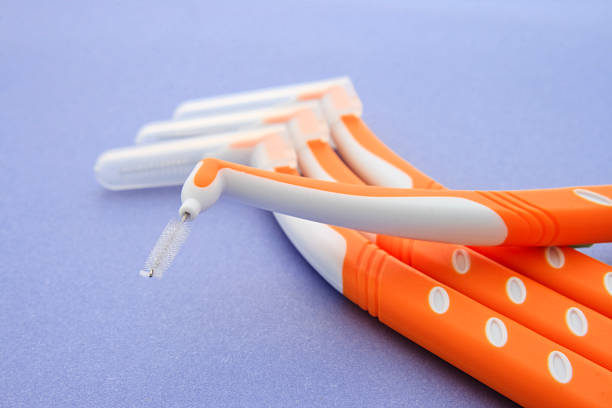
Standard toothbrushes cannot always reach tight spaces between brackets and under wires. Interdental brushes are small, cone-shaped brushes designed to clean these difficult areas effectively. Water flossers are also highly recommended for braces patients. They use a stream of water to remove plaque and debris from between teeth and around brackets. Using these tools daily enhances cleaning efficiency and supports healthier gums.
3. Floss Daily Using Orthodontic Flossers
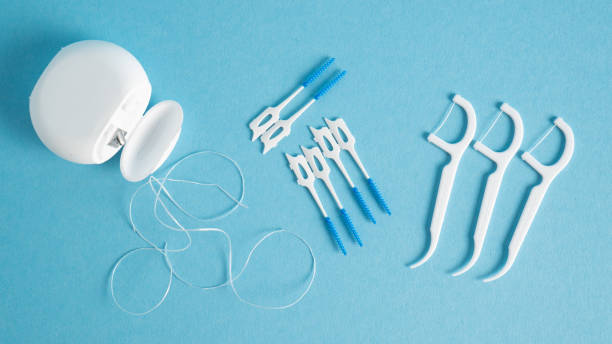
Flossing with braces may seem challenging, but it remains essential. Special orthodontic floss threaders or pre-threaded flossers make it easier to pass floss under the archwire. Flossing once daily removes plaque from between teeth, preventing gum disease and cavities in areas brushing cannot reach. Although it may take extra time initially, it becomes easier with practice. Skipping flossing can lead to long-term dental complications.
4. Avoid Hard, Sticky, and Chewy Foods
Certain foods can damage braces or get lodged between brackets. Hard foods such as nuts, popcorn kernels, and ice can break brackets or bend wires. Sticky foods like chewing gum and caramel can pull brackets loose and are difficult to clean off. Moreover, chewy foods such as tough meat or bagels may strain wires. You should opt for softer foods and cut fruits or vegetables into small pieces to reduce pressure on braces.
5. Reduce Sugary and Fizzy Drinks
Sugary drinks and fizzy beverages increase acid exposure in the mouth, which can lead to enamel demineralisation around brackets. This may cause white spots or permanent staining once braces are removed. Limiting sugary snacks and drinks helps protect enamel throughout treatment. Drinking water after meals helps wash away residual sugars and neutralise acids. Healthy dietary choices support both orthodontic progress and overall oral health.
6. Wear Elastics as Directed
If your orthodontist prescribes elastics (rubber bands), wearing them consistently is essential. Elastics help correct bite alignment and jaw positioning. Failure to wear elastics as instructed can delay treatment progress and prolong overall treatment time. Patients who follow instructions carefully often complete treatment on schedule. Compliance plays a major role in successful orthodontic outcomes.
7. Attend All Scheduled Orthodontic Appointments
Regular adjustment appointments ensure that tooth movement continues as planned. Skipping or delaying visits can slow progress and affect results. During these visits, your orthodontist checks for loose brackets, wire issues, and oral hygiene concerns. Early intervention prevents small problems from becoming larger complications. When it comes to braces, consistency ensures your treatment is efficient and effective.
8. Protect Your Braces During Sports
If you participate in contact sports, wearing a mouthguard is essential. Braces increase the risk of soft tissue injury if impact occurs. A custom orthodontic mouthguard protects both your teeth and braces. It reduces the likelihood of broken brackets and painful lip or cheek injuries. Safety precautions prevent unnecessary treatment delays.
9. Avoid Playing with Brackets or Wires
It may be tempting to touch or adjust braces with your fingers or tongue, especially when they feel new. However, this habit can loosen brackets or bend wires. If a bracket becomes loose or a wire feels uncomfortable, contact your orthodontist rather than attempting to fix it yourself. Prompt professional attention ensures continued progress. Careful handling protects the integrity of your braces.
10. Maintain Excellent Gum Care
Healthy gums are essential during orthodontic treatment. Swollen or inflamed gums can slow tooth movement and increase discomfort. Massaging the gum line gently while brushing improves circulation and reduces plaque buildup. Rinsing with an antiseptic mouthwash can also help reduce bacteria. Healthy gums support smoother and more effective orthodontic treatment.
Why Proper Braces Care Matters
Taking care of your braces is not just about protecting the brackets and wires. It directly impacts your final results and determines the success of your treatment. Poor oral hygiene during treatment can lead to cavities, gum disease, staining, and extended treatment time.
Patients who follow proper care instructions often experience smoother progress, fewer complications, and more satisfying outcomes. Good habits today ensure a healthy smile tomorrow.
The Impact of Implants and Braces Nairobi
At Implants and Braces Nairobi, patient education is a central part of orthodontic care. Every patient receives detailed guidance on how to maintain braces properly, including demonstrations of brushing and flossing techniques. This proactive approach reduces complications and supports successful outcomes.
The clinic also provides continuous monitoring throughout treatment, ensuring that oral hygiene standards remain high. By combining advanced orthodontic techniques with strong patient support, Implants and Braces Nairobi helps patients achieve efficient treatment results while maintaining healthy teeth and gums.

Frequently Asked Questions About Braces Care
1. What happens if I do not clean my braces properly?
Poor cleaning can lead to plaque buildup, cavities, gum disease, and staining around brackets. In severe cases, treatment may need to be paused to address dental issues before continuing.
2. Can I eat normally with braces?
You can eat most foods, but it is important to avoid hard, sticky, and overly chewy items. Choosing softer alternatives helps protect brackets and wires.
3. How often should I brush with braces?
Ideally, brush after every meal or snack. At a minimum, brush thoroughly twice daily and floss once daily.
4. What should I do if a bracket breaks?
Contact your orthodontist as soon as possible. Avoid attempting to repair it yourself, as this may worsen the issue.
Final Takeaway
Braces are an investment in your smile, but their success depends heavily on how well they are maintained. By following proper hygiene practices, avoiding damaging foods, and attending regular appointments, you protect both your braces and your long-term oral health. Small daily efforts make a significant difference in treatment success and overall comfort.
If you have questions about caring for your braces or need professional guidance, our team at Implants and Braces Nairobi is here to support you. Visit our clinic at The Park Suites Building in Parklands for a consultation with our dental experts. Regular reviews ensure your treatment stays on track and your oral health remains strong throughout the process. Book your appointment today and let us help you achieve a straighter, healthier smile with expert care and personalised attention. Your smile deserves consistent protection, and we are here every step of the way.