
Orthodontic treatment has evolved significantly over the years, offering patients a variety of options for aligning teeth and improving bite function. For both children and adults in Nairobi, understanding the types of braces available is essential for making informed decisions. Dental braces are not only about aesthetics. They also improve oral health, correct misalignment, and prevent long-term dental complications.
What Are Teeth Braces?
Teeth braces are devices used to correct misaligned teeth and jaw positioning. They consist of brackets, wires, and sometimes elastics that apply gentle, continuous pressure to move teeth into their ideal positions over time. Braces are used to treat a range of conditions, including crowding, spacing, overbite, underbite, crossbite, and open bite.
For both children and adults, braces not only enhance appearance but also contribute to improved oral function, easier cleaning, and better long-term dental health. The right type of braces is determined based on age, severity of misalignment, lifestyle, and aesthetic preference.

Types of Dental Braces
1. Traditional Metal Braces
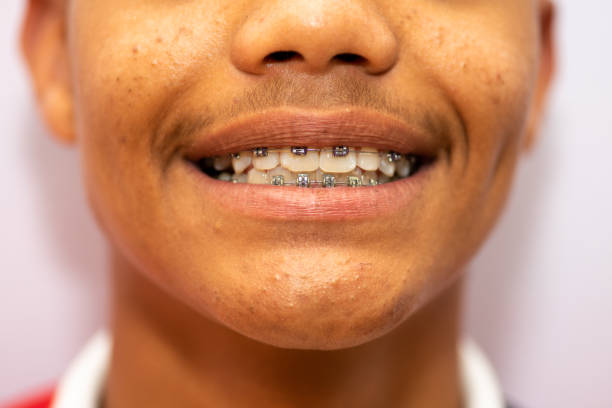
Traditional metal braces are the most widely recognised type. They use stainless steel brackets and wires to gradually move teeth into alignment. Modern metal braces are smaller, lighter, and more comfortable than in the past, making them suitable for both children and adults.
Benefits: Highly effective for complex cases, durable, and cost-effective.
Considerations: They are visible, which may be a concern for adults seeking discreet treatment.
2. Ceramic Braces
Ceramic braces function like metal braces but use tooth-colored or clear brackets, making them less noticeable. They are ideal for patients seeking a more aesthetic option without compromising treatment effectiveness.
Benefits: Less visible than metal braces, effective for moderate misalignment, comfortable for daily wear.
Considerations: Slightly more fragile than metal, may stain if not properly maintained.
3. Lingual Braces
Lingual braces are attached to the back (lingual) surfaces of the teeth, making them virtually invisible from the front. They are customised for each patient and provide the same effectiveness as traditional braces.
Benefits: Completely hidden, effective for both adults and teens.
Considerations: Can cause temporary tongue irritation, may affect speech initially, and require an experienced orthodontist for placement.
4. Clear Aligners
Clear aligners, such as Invisalign, are removable plastic trays that gradually move teeth into proper alignment. They are virtually invisible and allow for easy oral hygiene since they can be removed during eating and cleaning.
Benefits: Highly aesthetic, removable, comfortable, suitable for adults with mild to moderate misalignment.
Considerations: Require discipline to wear at least 20–22 hours per day; not ideal for complex cases.
5. Self-Ligating Braces
Self-ligating braces use a special clip to hold the archwire, instead of elastic bands. This reduces friction and can shorten treatment time in some cases. They are available in both metal and ceramic varieties.
Benefits: Potentially faster tooth movement, fewer adjustments, lower friction, more comfortable.
Considerations: Slightly higher cost than traditional braces; may not be suitable for very complex cases.

Factors to Consider When Choosing Braces
When selecting a braces type, several factors must be considered:
- Age: Children may benefit from early intervention using traditional or functional appliances, while adults often prefer less visible options like ceramic braces or clear aligners.
- Severity of Misalignment: Complex cases may require traditional metal braces for precise control.
- Lifestyle and Aesthetics: Adults and teens may choose ceramic or clear aligners for discretion.
- Treatment Duration: Some braces types may reduce overall treatment time or require fewer adjustments.
- Budget: Costs vary between braces types, with traditional metal braces generally being the most affordable and lingual braces the most expensive.
How Braces Work
Braces work by applying gentle, continuous pressure to teeth, gradually guiding them into their ideal positions. This pressure stimulates the bone around the teeth to remodel, allowing teeth to shift safely over time. Each type of braces—metal, ceramic, lingual, or clear aligners—uses a slightly different mechanism, but the underlying principle of controlled tooth movement remains the same.
- Assessment and Planning: The orthodontist begins with a comprehensive examination, including X-rays, photographs, and dental impressions. This detailed evaluation helps identify misalignments, bite issues, and jaw discrepancies. A personalised treatment plan is then developed, specifying the type of braces, estimated duration, and key milestones.
- Placement: Brackets are attached to the teeth (or aligners are fitted) and connected by archwires or other mechanisms. These components work together to apply precise pressure, directing teeth into the desired alignment gradually. Placement is performed carefully to ensure patient comfort and optimal effectiveness.
- Adjustment Phase: Periodic adjustments—usually every 4–8 weeks—are essential to maintain the correct pressure and guide tooth movement. During each visit, the orthodontist may tighten wires, replace elastics, or fit new aligner trays. This continuous monitoring ensures teeth move safely and predictably, minimising the risk of complications.
- Retention Phase: Once teeth have reached their ideal position, a retainer is fitted to maintain results. Retention prevents teeth from shifting back and stabilises the bone and surrounding tissues. Proper use of retainers, combined with regular dental check-ups, ensures that the benefits of orthodontic treatment are long-lasting.
The Impact of Implants and Braces Nairobi
Implants and Braces Nairobi is a leading provider of orthodontic care in Nairobi, offering a full range of braces options for children and adults. The clinic combines advanced technology, professional expertise, and personalised treatment plans to ensure optimal results. Many patients experience improved oral function, better aesthetics, and enhanced confidence through orthodontic treatment.
Beyond individual care, the clinic contributes to community education, raising awareness about the importance of early orthodontic evaluation and proper oral health. Continuous investment in training and equipment ensures that patients receive modern, safe, and effective braces treatment, positioning Implants and Braces Nairobi as a trusted authority in orthodontics across Kenya.
Benefits of Different Braces Types
1. Metal Braces
Highly effective for severe misalignment, durable, and affordable. They can correct complex bite and spacing issues, making them a reliable choice for children and adults who require precise tooth movement. Regular adjustments ensure predictable results over time.
2. Ceramic Braces
Less visible than metal braces and aesthetically pleasing, ceramic braces are ideal for image-conscious patients. They offer similar effectiveness for moderate alignment issues while blending with natural tooth color. Careful maintenance prevents staining.
3. Lingual Braces
Completely hidden from view, lingual braces are perfect for adults seeking discretion. They allow for complex correction while maintaining a natural appearance. Initial adjustment may cause tongue irritation, but results are highly effective.
4. Clear Aligners
Removable and virtually invisible, clear aligners offer flexibility and comfort. They allow for proper oral hygiene during treatment and are especially suitable for mild to moderate cases. Patient discipline ensures consistent progress and predictable results.
Frequently Asked Questions
Which braces type is best for children?
Traditional metal braces are commonly recommended for children due to their durability and effectiveness. Functional appliances may also be used to guide jaw growth and correct bite issues early, improving long-term outcomes.
Can adults get braces?
Yes, adults can benefit from a range of options including ceramic braces, lingual braces, and clear aligners. Modern techniques allow effective treatment while prioritising aesthetics and comfort.
How long does orthodontic treatment take?
Treatment usually ranges from 12 to 36 months, depending on the complexity of the case, the type of braces, and patient compliance. Regular follow-ups ensure timely adjustments and successful results.
Are braces painful?
Mild discomfort or soreness is common after placement and adjustments, but it is temporary. Over-the-counter pain relief can help manage discomfort, which is outweighed by the long-term benefits of treatment.
Can I eat normally with braces?
Certain foods should be avoided, such as sticky, hard, or chewy items that could damage brackets or wires. Maintaining oral hygiene is crucial to prevent cavities and gum problems during treatment.
How do I choose the right braces type?
A consultation with an experienced orthodontist will help determine the best option based on age, severity of misalignment, aesthetic preference, and lifestyle. Individualised treatment planning ensures optimal outcomes.
Final Takeaway
If you are considering orthodontic treatment, schedule a consultation with Implants and Braces Nairobi. Our expert team provides personalised guidance on the best braces type for your unique needs. From traditional metal braces to clear aligners, every treatment plan prioritises comfort, effectiveness, and long-lasting results.
Take the first step toward a straighter, healthier smile today. Contact Implants and Braces Nairobi or visit us at our clinic in Parklands. The Clinic is located at the Park Suites Building along Park road and is easily accessible to ll. Here, you will experience expert orthodontic care tailored for both children and adults in Nairobi.