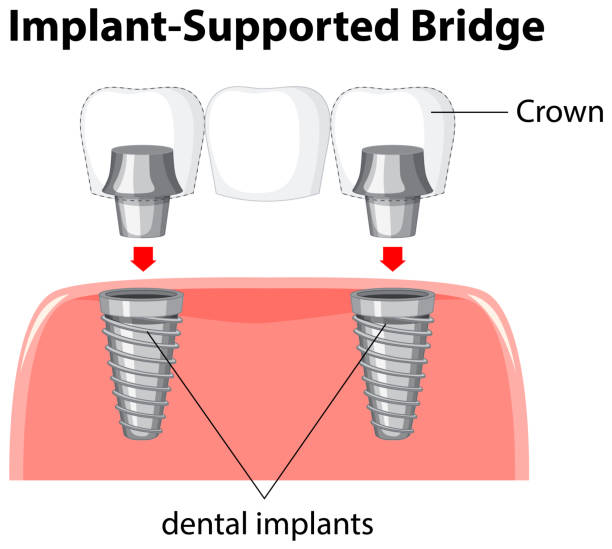
When patients hear the term “dental implant,” many assume it refers to the visible tooth replacement. In reality, a dental implant is only one part of a complete restoration. The final, natural-looking tooth that people see is known as a dental crown. Dental implants and crowns work together to replace missing teeth in a way that restores strength, function, and appearance. Understanding how these two components interact helps patients make informed decisions about tooth replacement and long-term oral health.
In this article, we explore what dental implants are, what dental crowns are, how they function together, and why this combination is considered one of the most reliable solutions in modern dentistry.
What Is a Dental Implant?
A dental implant is a small titanium post surgically placed into the jawbone to replace the root of a missing tooth. Titanium is biocompatible, meaning it integrates safely with the body without rejection.
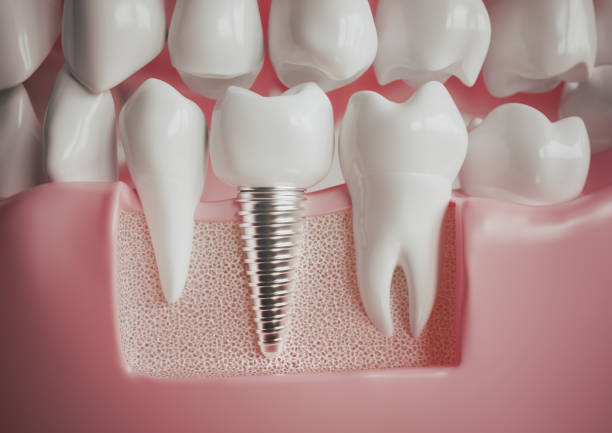
Once placed, the implant undergoes a process called osseointegration. During this period, the jawbone gradually fuses with the implant surface, creating a stable and durable foundation. This integration is what makes implants strong enough to support chewing forces. It is important to note that the implant itself sits beneath the gum line and is not visible.
What Is a Dental Crown?
A dental crown is the visible, tooth-shaped cap placed on top of an implant. It is custom-designed to match the colour, shape, and size of surrounding natural teeth. Modern crowns are highly aesthetic and durable, allowing patients to smile and chew confidently. Crowns can be made from various materials, including:
- Porcelain
- Ceramic
- Zirconia
- Porcelain fused to metal
The Three-Part Structure of an Implant-Supported Tooth
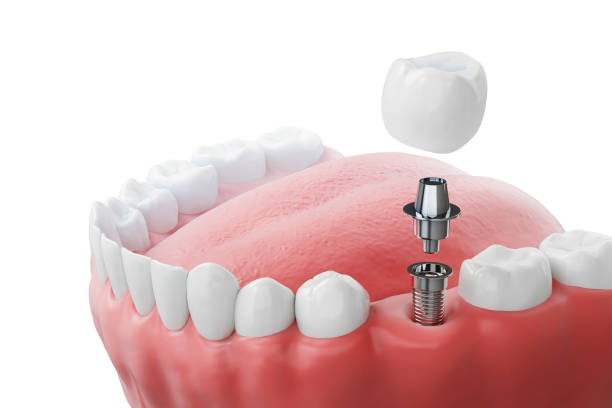
An implant-supported tooth is carefully engineered to replicate the structure and function of a natural tooth. Unlike traditional restorations that replace only the visible portion of a tooth, implant treatment replaces both the root and crown structure. This three-part system is what gives dental implants their remarkable strength, stability, and longevity.
1. The Implant Post (Artificial Root)
The implant post is a small, screw-shaped titanium fixture that is surgically inserted into the jawbone. Titanium is used because it is biocompatible, meaning the body accepts it and allows it to integrate naturally with bone tissue.
Once placed, the implant undergoes osseointegration, a biological process where bone cells grow around and bond with the titanium surface. This integration typically takes between three and six months and is critical for long-term stability. When complete, the implant becomes firmly anchored in the jaw, functioning much like a natural tooth root.
2. The Abutment (Connector Component)
The abutment is a small but essential connector piece that links the implant post to the dental crown. It is attached after the implant has fully integrated with the bone. This component protrudes slightly above the gum line and acts as a stable platform for securing the crown. Abutments can be prefabricated or custom-made, depending on the patient’s gum contour, tooth position, and aesthetic requirements.
Custom abutments are often used in visible areas of the mouth to ensure the final restoration appears natural and proportionate. The precision of the abutment plays a crucial role in the overall fit, strength, and appearance of the implant-supported tooth.
3. The Crown (Visible Tooth Restoration)
The crown is the final and visible part of the implant restoration. It is carefully designed to match the surrounding teeth in shape, size, colour, and alignment. Modern crowns are typically crafted from high-strength materials such as zirconia or porcelain, which offer both durability and excellent aesthetic results. The crown is either cemented or screw-retained onto the abutment, depending on the treatment plan.
Functionally, the crown restores chewing efficiency and speech clarity. Aesthetically, it completes the smile by blending seamlessly with natural teeth. When properly designed and maintained, implant-supported crowns feel and function almost indistinguishably from real teeth.
How the Three Components Work Together
The success of an implant-supported tooth lies in the synergy between these three components. The implant provides foundational strength, the abutment ensures structural connection and alignment, and the crown delivers functional and aesthetic restoration.
Together, they recreate the full anatomy of a natural tooth, from root to surface. This comes in handy in allowing patients to chew, speak, and smile with confidence. The integrated design is what sets dental implants apart from other tooth replacement options that address only the visible portion of a missing tooth.
Why Implants and Crowns Are Used Together
Replacing only the visible portion of a missing tooth without addressing the root can lead to bone loss and instability. The implant replaces the root, preserving bone structure, while the crown restores appearance and function.
This combination offers several advantages:
- Stability similar to natural teeth
- Prevention of jawbone shrinkage
- No reliance on neighbouring teeth
- Long-term durability
- Natural aesthetics
Unlike traditional bridges, this solution does not require reshaping adjacent teeth.
The Treatment Process: From Implant to Crown
1. Initial Consultation and Assessment
The process begins with a comprehensive dental examination, including X-rays or 3D imaging. This helps determine bone density, gum health, and suitability for implant placement. If bone loss is present, additional procedures such as bone grafting may be recommended before implant placement.
2. Implant Placement Surgery
The implant is surgically inserted into the jawbone under local anaesthesia. The procedure is typically straightforward and completed within one to two hours, depending on complexity. After placement, the healing phase begins.
3. Healing and Osseointegration
Over the next three to six months, the implant integrates with the bone. This step is crucial for ensuring long-term stability. Patients may wear a temporary restoration during this period if the missing tooth is in a visible area.
4. Abutment Placement
Once healing is complete, a small connector called an abutment is attached to the implant. This prepares the site for the final crown.
5. Crown Fabrication and Placement
Impressions are taken to design a custom crown that blends seamlessly with surrounding teeth. Once ready, the crown is secured onto the abutment.
The result is a fully restored tooth that looks, feels, and functions naturally.

Benefits of Implant-Supported Crowns
1. Natural Appearance
Modern crowns are carefully crafted to match natural teeth in colour and contour. Most people cannot distinguish an implant-supported crown from a natural tooth.
2. Long-Term Durability
With proper care, implants can last decades, and crowns can also provide long-term function. Their strength allows normal chewing without discomfort.
3. Bone Preservation
Because the implant replaces the tooth root, it stimulates the jawbone and prevents bone deterioration. This helps maintain facial structure over time.
4. Improved Comfort
Implant-supported crowns are fixed in place. Unlike removable dentures, they do not shift or cause friction-related irritation.
5. Protection of Adjacent Teeth
Since implants are independent structures, neighbouring teeth remain untouched. This preserves their natural integrity.
Are Implant Crowns Different from Regular Crowns?
Yes. While both look similar, a regular crown is placed over a natural tooth that has been reshaped. An implant crown, however, sits on top of an artificial root embedded in bone. The supporting structure differs, but both are custom-made for aesthetics and durability.
How Long Do Implant Crowns Last?
Implants themselves can last a lifetime with good care. The crown may need replacement after 10–15 years due to normal wear, depending on oral hygiene habits and bite forces. Regular dental check-ups ensure early detection of wear or potential issues.
The Impact of Implants and Braces Nairobi
At Implants and Braces Nairobi, implant-supported crowns are planned with precision and long-term health in mind. The clinic uses advanced diagnostic imaging to ensure accurate implant placement and optimal crown design. This careful planning reduces complications and enhances aesthetic outcomes.
Beyond technical excellence, the clinic prioritises patient education and comfort. From the initial consultation to the final crown placement, patients receive personalised guidance and comprehensive aftercare support. This commitment ensures that each implant restoration not only looks natural but also functions reliably for years to come.
Frequently Asked Questions
1. Is getting a dental implant crown painful?
The implant procedure is performed under local anaesthesia, making it comfortable during treatment. Mild soreness may occur afterwards but is typically manageable with medication and subsides within a few days.
2. How long does the entire process take?
From implant placement to final crown placement, the process may take three to six months. The timeline depends on healing speed and whether additional procedures are required.
3. Can the crown be replaced if damaged?
Yes. If the crown becomes worn or damaged, it can be replaced without removing the implant itself. The underlying implant remains stable in most cases.
4. How do I care for an implant crown?
Care is similar to natural teeth. Brush twice daily, floss regularly, and attend routine dental visits, among others. Maintaining good oral hygiene ensures long-term success.

Final Thoughts
Dental implants and crowns work together to provide a complete tooth replacement solution. By replacing both the root and the visible tooth structure, this combination restores strength, aesthetics, and long-term stability. For patients seeking a permanent and natural-looking solution for missing teeth, implant-supported crowns remain one of the most advanced and reliable options in modern dentistry.
If you are considering dental implants and crowns, Implants and Braces Nairobi is the place to be. We have a highly dedicated and experienced team of dental experts ready to guide you through every step. When you visit our clinic at the Park Suites Building in Parklands, we shall conduct a detailed dental assessment of your teeth. This helps us determine your suitability and provide a personalised treatment plan tailored to your needs. Restore your smile with confidence, strength, and lasting results. Schedule your consultation today and take the first step towards a healthier, fully restored smile. Your smile deserves expert care, and we are here to deliver it.